Control Valves Explained for Accurate Flow and Process Control
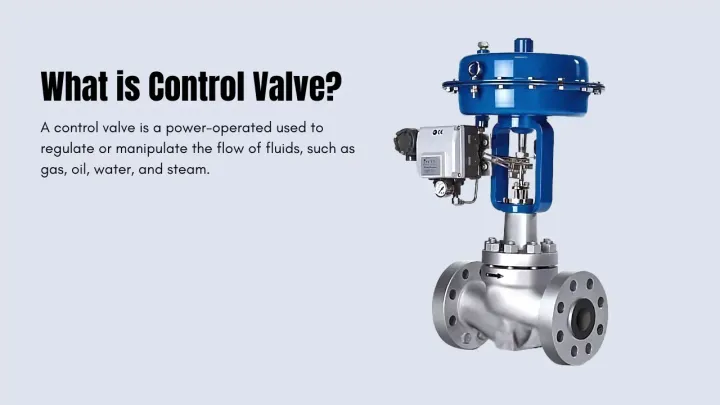
Control valves are mechanical devices used to regulate the flow, pressure, temperature, or level of fluids such as liquids, gases, or steam within a system. They operate by adjusting how much fluid passes through a pipeline or process line based on signals from control systems or manual settings. Control valves exist because most industrial and commercial processes require precise control rather than simple on or off operation.
In early industrial systems, flow control was handled manually using basic valves. As processes became more complex and safety requirements increased, there was a need for automated and accurate control. Control valves evolved to meet this need by responding to changing process conditions in real time.
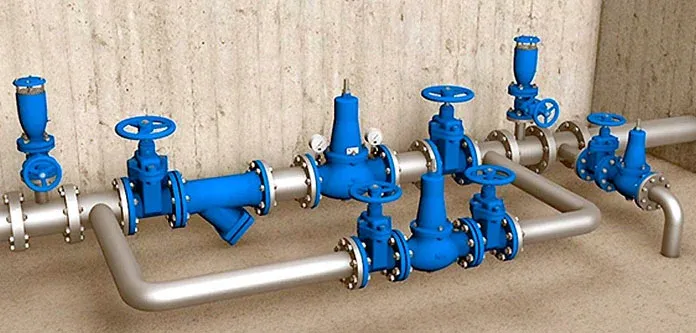
Today, control valves are essential components in industries such as oil and gas, power generation, water treatment, chemicals, food processing, and manufacturing. They help maintain stable operations, improve efficiency, and support safe process control.
Importance
Control valves matter because accurate control of flow and process conditions is critical to efficiency, safety, and product quality. Small variations in flow or pressure can significantly affect system performance.
Why this topic matters today
Several factors have increased the importance of control valves in modern systems:
-
Growing automation and digital process control
-
Higher safety and reliability expectations
-
Increased focus on energy efficiency
-
More complex industrial processes
Control valves help address these needs by providing precise and repeatable control under varying operating conditions.
Who control valves affect
-
Industrial plant operators
-
Process engineers and technicians
-
Utility and infrastructure operators
-
Maintenance and safety teams
Understanding control valves helps these stakeholders design, operate, and maintain stable process systems.
What Control Valves Do in a Process System
Control valves continuously adjust flow to keep process variables within desired limits.
Common process variables controlled
-
Flow rate
-
Pressure
-
Temperature
-
Liquid level
The table below summarizes control valve roles.
| Process Variable | Control Purpose |
|---|---|
| Flow | Regulate material movement |
| Pressure | Protect equipment |
| Temperature | Maintain process stability |
| Level | Prevent overflow or shortage |
By controlling these variables, control valves help systems run smoothly and safely.
How Control Valves Work
Control valves operate by changing the size of the flow opening in response to a control signal. This signal may come from an automated controller or manual input.
Basic control valve operation
-
Sensor measures process condition
-
Controller compares it to the set point
-
Signal is sent to the valve actuator
-
Valve position adjusts accordingly
-
Process condition stabilizes
The table below outlines key components.
| Component | Function |
|---|---|
| Valve body | Contains flow path |
| Trim | Controls flow rate |
| Actuator | Moves valve |
| Positioner | Ensures accuracy |
| Controller | Sends control signal |
These components work together to maintain accurate control.
Types of Control Valves
Different control valves are used depending on the application, fluid type, and control requirement.
Globe control valves
Globe valves provide precise control and are commonly used in applications requiring accurate flow regulation.
Ball control valves
Ball valves offer quick response and are suitable for applications where tight shutoff and moderate control are needed.
Butterfly control valves
Butterfly valves are lightweight and used for large flow rates at lower pressure drops.
Plug control valves
Plug valves handle higher pressures and temperatures and are used in demanding process conditions.
The table below compares common valve types.
| Valve Type | Typical Use |
|---|---|
| Globe | Precise control |
| Ball | Fast response |
| Butterfly | Large flow systems |
| Plug | High-pressure processes |
Selecting the correct type ensures reliable control.
Role of Control Valves in Flow Control
Flow control is the most common application of control valves.
How control valves improve flow accuracy
-
Adjust opening size precisely
-
Respond quickly to demand changes
-
Maintain consistent flow rates
The table below shows flow control benefits.
| Flow Aspect | Impact |
|---|---|
| Stability | Reduced fluctuations |
| Accuracy | Better process results |
| Efficiency | Lower energy loss |
Accurate flow control improves overall system efficiency.
Role of Control Valves in Process Control
Beyond flow, control valves manage broader process conditions.
Process control benefits
-
Stable operating conditions
-
Reduced process variability
-
Improved product quality
-
Safer operation
Control valves act as final control elements in automated systems.
Applications of Control Valves
Control valves are used in a wide range of industries.
Common application areas
-
Oil and gas processing
-
Power plants and steam systems
-
Water and wastewater treatment
-
Chemical and pharmaceutical plants
-
Food and beverage processing
The table below shows examples.
| Industry | Control Purpose |
|---|---|
| Oil and gas | Pressure and flow |
| Power | Steam regulation |
| Water | Level and flow |
| Chemicals | Process stability |
Each application has specific control requirements.
Recent Updates
Control valve technology has continued to advance with automation and digitalization.
Notable developments during 2024–2025
-
In March 2024, increased adoption of smart valve positioners
-
In August 2024, improved materials enhanced valve durability
-
By January 2025, wider integration with digital control systems and predictive maintenance
These updates focus on improving accuracy, reliability, and monitoring.
Automation and Smart Control Valves
Modern control valves are often part of automated systems.
Benefits of smart control valves
-
Real-time performance monitoring
-
Self-diagnostics and alerts
-
Improved control accuracy
-
Reduced manual intervention
The table below highlights automation benefits.
| Feature | Benefit |
|---|---|
| Sensors | Accurate feedback |
| Diagnostics | Early fault detection |
| Automation | Consistent control |
Automation supports stable and efficient operations.
Energy Efficiency and Control Valves
Control valves influence energy consumption.
How proper valve control saves energy
-
Prevents overpressure and throttling losses
-
Optimizes flow rates
-
Supports efficient pump and compressor operation
Efficient control reduces unnecessary energy use.
Maintenance and Reliability Considerations
Reliable control valves require regular maintenance.
Common maintenance practices
-
Inspection of seals and trim
-
Calibration of positioners
-
Cleaning and lubrication
-
Performance testing
The table below shows maintenance benefits.
| Maintenance Action | Result |
|---|---|
| Regular inspection | Reduced failures |
| Calibration | Accurate control |
| Preventive care | Longer valve life |
Good maintenance ensures consistent performance.
Safety Role of Control Valves
Control valves contribute to system safety.
Safety-related functions
-
Prevent overpressure
-
Control hazardous fluids
-
Support emergency shutdown systems
Proper valve operation reduces risk to people and equipment.
Environmental Considerations
Control valves support environmental compliance.
Environmental benefits
-
Reduced leaks and emissions
-
Improved process efficiency
-
Better resource management
Accurate control helps minimize waste and environmental impact.
Laws or Policies
Control valves are subject to industrial, safety, and environmental regulations.
In India
-
Industrial safety standards for pressure equipment
-
Environmental regulations for emissions and leakage
-
Quality standards for industrial components
General regulatory considerations
-
Compliance with valve design standards
-
Regular inspection and certification
-
Documentation of operating conditions
These policies ensure safe and responsible use.
Selecting the Right Control Valve
Choosing the right valve is critical for performance.
Key selection factors
-
Fluid type and properties
-
Pressure and temperature range
-
Required control accuracy
-
Operating environment
Correct selection reduces operational issues and maintenance needs.
Tools and Resources
Several tools and resources support control valve selection and management.
Engineering and sizing tools
-
Control valve sizing calculators
-
Flow and pressure estimation tools
-
System design templates
Monitoring and maintenance resources
-
Valve performance dashboards
-
Maintenance scheduling tools
-
Diagnostic software
Educational resources
-
Process control handbooks
-
Industrial valve standards
-
Technical training programs
These resources help ensure effective valve use.
Comparing Systems With and Without Control Valves
| Aspect | Without Control Valve | With Control Valve |
|---|---|---|
| Flow stability | Poor | Stable |
| Process accuracy | Low | High |
| Energy efficiency | Reduced | Improved |
| Safety | Higher risk | Controlled |
This comparison highlights the importance of control valves.
FAQs
What is a control valve used for?
A control valve regulates flow and process conditions such as pressure and temperature.
Are control valves used only in large industries?
No. They are also used in commercial and utility systems.
Do control valves work automatically?
Many operate automatically using control signals, though manual options exist.
How often do control valves need maintenance?
Maintenance frequency depends on application, but regular inspection is essential.
Can control valves improve energy efficiency?
Yes. Accurate control helps reduce energy waste and process losses.
Final Thoughts
Control valves are essential components for accurate flow and process control across many industries. By continuously adjusting to process demands, they help maintain stability, efficiency, and safety.
Understanding how control valves work, their types, applications, and regulatory context allows operators and engineers to design better systems and avoid operational problems. Rather than being simple mechanical parts, control valves are key elements of modern automated processes.