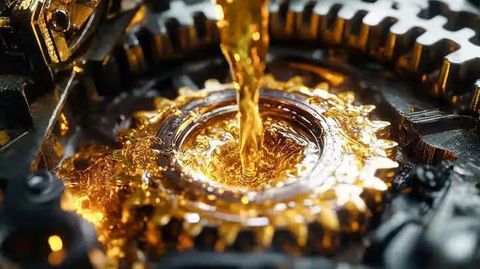
Discover How Quality Lubricants Boost Machine Performance
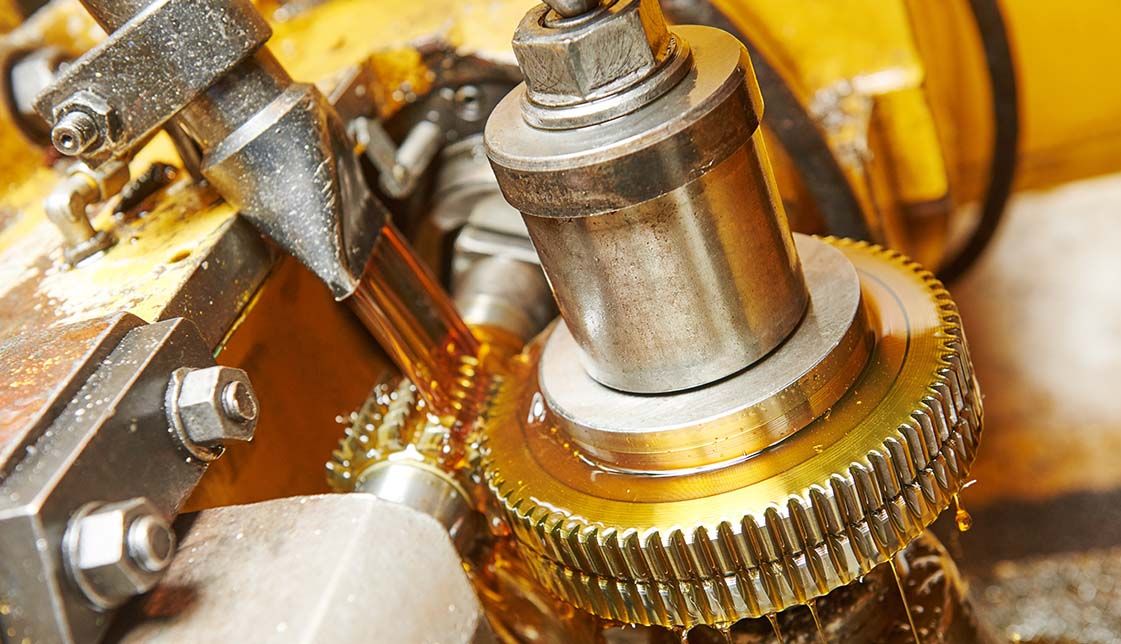
Lubricants play an essential role in the functioning of machines across industries. Whether used in manufacturing equipment, automotive engines, agricultural machines, or industrial tools, lubricants exist to reduce friction, control temperature, and prevent wear. Machines involve moving parts, and without proper lubrication, these components can degrade quickly, leading to higher maintenance requirements and reduced operational efficiency.
Today, lubrication technology has expanded beyond basic oils and greases. Modern lubricants are formulated with additives that enhance properties such as corrosion protection, heat resistance, and load-bearing capacity. As machines continue to evolve in complexity, the demand for high-quality lubricants has increased significantly.
Importance
Understanding lubricant quality is important for several reasons:
-
Enhances machine efficiency: Good lubricants reduce friction, enabling smoother operation.
-
Extends equipment lifespan: Lower wear means reduced replacement needs.
-
Improves energy use: Machines with reduced friction require less power to operate.
-
Minimises downtime: Proper lubrication decreases the likelihood of breakdowns.
-
Cuts maintenance costs: Efficient lubrication reduces the frequency of repairs.
-
Supports multiple sectors:
-
Industrial manufacturing
-
Construction machinery
-
Automotive and transport vehicles
-
Agriculture and farming equipment
-
Power generation and mining
-
Lubricants also address common problems such as overheating, corrosion, contamination, and excessive noise, making them essential for reliable machine performance.
Recent Updates
Technology and industry trends over the past year have influenced the lubricant sector. Some of the notable updates include:
-
Growth of synthetic lubricants (2023–2024): Synthetic oils saw increasing adoption due to improved temperature stability and reduced friction. Many industries shifted from mineral oils to synthetic blends for longer service intervals.
-
Rise in biodegradable and eco-friendly lubricants: Environmental regulations in late 2023 encouraged the use of plant-based and biodegradable oils, especially in marine, forestry, and agriculture applications.
-
Improved lubricant monitoring systems (2024): AI-enabled sensors and IoT devices became more common, allowing real-time tracking of lubricant quality, contamination, and viscosity.
-
Additive technology advancements: Lubricant manufacturers introduced new additive packages in 2024 to enhance oxidation stability and wear protection for high-load machinery.
-
Fluctuations in base oil prices: Global supply chain shifts affected base oil pricing between early and mid-2024, prompting industries to optimise their lubrication practices.
These updates reflect the increasing focus on sustainability, performance, and predictive maintenance.
Laws or Policies
Lubricants are influenced by a range of regulations designed to ensure safety, environmental protection, and product quality. While the specifics vary by country, many regions follow similar standards:
-
Environmental emission rules: Regulations such as limits on sulphur and harmful additives encourage cleaner lubricant formulations.
-
Waste oil disposal laws: Many countries require proper collection and recycling of used lubricants to reduce environmental impact.
-
Energy-efficiency guidelines: Some governments promote use of energy-efficient lubricants in public transportation and industrial sectors.
-
Industrial safety rules: Lubricants used in food processing, pharmaceuticals, and medical equipment must comply with safety standards such as ISO or NSF certification.
-
Equipment manufacturer requirements: Machine manufacturers often specify lubrication standards to maintain warranties and ensure safety compliance.
-
Chemical labelling regulations: Lubricants must follow hazard communication standards for safe handling and storage.
Understanding these policies helps industries choose lubricants that meet compliance requirements and operational needs.
Tools and Resources
Several tools, apps, and platforms can support proper lubricant selection, monitoring, and maintenance. These resources help machine operators reduce waste, track performance, and ensure correct application.
Lubricant Selection Tools
-
Shell LubeMatch – Helps users find suitable lubricants for engines and machines.
-
Mobil Lube Advisor – Provides customised recommendations based on equipment type.
-
Castrol Product Finder – Offers lubricant selection by machine category.
Monitoring and Condition Tracking Tools
-
Oil Analyser Labs (various brands) – Laboratory testing services that analyse viscosity, contamination, and oxidation.
-
IoT-based lubricant sensors – Monitor temperature, pressure, moisture, and degradation in real time.
-
Maintenance software (CMMS tools) – Tools like UpKeep or Fiix track lubrication schedules and maintenance logs.
Educational and Technical Resources
-
ISO Standards Database – Offers guidelines for lubricant testing and classification.
-
Mechanical engineering forums – Provide technical discussions and troubleshooting.
-
OEM manuals – Most equipment manufacturers publish lubricant guidelines for safety and compatibility.
Table: Common Lubricant Types and Their Uses
| Lubricant Type | Best For | Key Advantages |
|---|---|---|
| Mineral Oil | General machinery | Affordable, widely available |
| Synthetic Oil | High-temperature or high-load systems | Better stability, longer service life |
| Grease | Bearings and slow-moving parts | Stays in place, reduces leakage |
| Biodegradable Oil | Agriculture, marine, forestry | Environment-friendly, low toxicity |
| Hydraulic Fluid | Industrial equipment | Smooth pressure control, reduced wear |
This table illustrates how different lubricants serve specific functions and performance needs.
FAQs
1. Why do machines need high-quality lubricants?
Machines rely on lubricants to reduce friction, control heat, and protect components from wear, rust, and contamination. High-quality lubricants enhance performance and help maintain reliability.
2. How often should lubricants be changed?
The change interval varies by machine type, usage level, temperature, and lubricant formulation. Manufacturers usually provide recommended schedules to follow.
3. Can using the wrong lubricant damage equipment?
Yes. Incorrect viscosity or formulation can lead to overheating, excessive wear, leakage, or equipment malfunction.
4. Are synthetic lubricants better than mineral oils?
Synthetic lubricants offer improved temperature resistance, stability, and longevity. However, mineral oils can be suitable for standard applications depending on machine requirements.
5. What factors affect lubricant performance?
Temperature, contamination, load, operating speed, and proper storage all influence lubricant performance and lifespan.
Final Thoughts
Quality lubricants are one of the most essential elements in maintaining machine health, reliability, and efficiency. As technology, regulations, and equipment standards evolve, industries are increasingly choosing advanced lubricants that offer better performance, environmental safety, and long-term value. By using the right tools, monitoring systems, and maintenance practices, organisations and individuals can significantly improve how machines operate while reducing unnecessary downtime and maintenance costs.