Understanding Lithium Ion Recycling Systems for Environmental Protection
Lithium ion recycling systems are processes and facilities designed to collect, treat, and recover valuable materials from used or end-of-life lithium ion batteries. These batteries are widely used in smartphones, laptops, electric vehicles, energy storage systems, and many other modern technologies. Recycling systems exist because lithium ion batteries contain both valuable resources and potentially harmful substances that should not be disposed of as regular waste.
When lithium ion batteries reach the end of their usable life, they still contain metals such as lithium, cobalt, nickel, manganese, copper, and aluminum. If discarded improperly, batteries can pose risks such as fire hazards, soil contamination, and water pollution. Recycling systems were developed to address these risks while recovering materials that can be reused in new battery production.
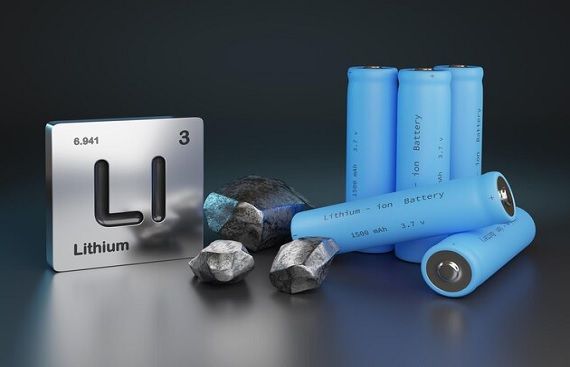
Today, lithium ion recycling systems are becoming an important part of the global effort to manage electronic waste and reduce the environmental impact of battery use. As battery adoption continues to grow, recycling systems help close the loop between production, use, and reuse.
Importance
Lithium ion recycling systems matter because battery use is expanding rapidly across industries. Without proper recycling, large volumes of battery waste could create serious environmental and resource challenges.
Why this topic matters today
Several trends have increased the importance of lithium ion recycling systems:
-
Rapid growth in electric vehicles and energy storage
-
Shorter replacement cycles for consumer electronics
-
Rising demand for critical battery materials
-
Increased focus on environmental protection and sustainability
Recycling systems help reduce waste, conserve natural resources, and lower the environmental footprint of battery technologies.
Who lithium ion recycling systems affect
-
Battery manufacturers and suppliers
-
Electric vehicle and electronics industries
-
Waste management and recycling companies
-
Policymakers and environmental agencies
-
Communities affected by waste disposal
Understanding recycling systems helps these groups support responsible battery lifecycle management.
What Lithium Ion Recycling Systems Do
Lithium ion recycling systems are designed to safely process used batteries and recover usable materials.
Core functions of lithium ion recycling systems
-
Collection and safe handling of spent batteries
-
Discharging and dismantling battery packs
-
Separation of metals and other materials
-
Treatment of hazardous components
-
Preparation of recovered materials for reuse
The table below summarizes key functions.
| Function | Purpose |
|---|---|
| Collection | Prevent improper disposal |
| Dismantling | Access battery materials |
| Separation | Recover valuable metals |
| Treatment | Reduce environmental risk |
| Refining | Enable material reuse |
These functions support both environmental protection and resource recovery.
How Lithium Ion Recycling Systems Work
Recycling systems typically follow a multi-step process to handle batteries safely and efficiently.
Basic recycling process
-
Batteries are collected and sorted
-
Stored batteries are discharged to remove residual energy
-
Battery packs are dismantled into components
-
Mechanical, thermal, or chemical processes separate materials
-
Recovered materials are refined for reuse
The table below outlines major system components.
| System Stage | Role |
|---|---|
| Collection and storage | Safety and organization |
| Pre-treatment | Discharging and dismantling |
| Material separation | Recover metals |
| Refining | Improve material quality |
| Waste treatment | Handle residues |
Each stage plays a role in minimizing environmental impact.
Main Recycling Methods Used
Lithium ion recycling systems use different methods depending on scale and material recovery goals.
Mechanical processing
Mechanical methods involve shredding batteries and physically separating materials such as metals, plastics, and active materials.
Pyrometallurgical processing
This method uses high temperatures to extract metals. It is effective for certain materials but may require additional steps to recover lithium.
Hydrometallurgical processing
Hydrometallurgy uses chemical solutions to dissolve and recover metals selectively. It allows higher recovery rates but requires careful chemical handling.
The table below compares common methods.
| Method | Key Feature |
|---|---|
| Mechanical | Physical separation |
| Pyrometallurgical | High-temperature extraction |
| Hydrometallurgical | Chemical recovery |
Many systems combine these methods for better efficiency.
Environmental Role of Lithium Ion Recycling
Recycling systems play a direct role in environmental protection.
Environmental benefits
-
Reduced landfill waste
-
Lower risk of soil and water contamination
-
Reduced mining of raw materials
-
Lower overall carbon footprint
The table below highlights environmental impacts.
| Aspect | Impact |
|---|---|
| Waste reduction | Significant |
| Resource conservation | Improved |
| Pollution prevention | Enhanced |
| Emissions | Reduced |
Recycling supports a more sustainable battery lifecycle.
Resource Recovery and Circular Economy
Lithium ion recycling systems support circular economy principles.
How recycling supports circular use
-
Recovered metals are reused in new batteries
-
Reduced dependence on primary mining
-
Improved material security for manufacturers
The table below shows commonly recovered materials.
| Material | Reuse Potential |
|---|---|
| Lithium | Battery production |
| Cobalt | Battery cathodes |
| Nickel | Energy storage |
| Copper | Electrical components |
| Aluminum | Structural parts |
This reuse helps stabilize supply chains.
Safety Considerations in Recycling Systems
Battery recycling involves safety challenges due to stored energy and reactive materials.
Key safety measures
-
Controlled discharge procedures
-
Fire prevention and suppression systems
-
Proper ventilation and containment
-
Worker training and protective equipment
Safety systems reduce risks during recycling operations.
Recent Updates
Lithium ion recycling systems have seen notable developments in recent years.
Notable developments during 2024–2025
-
In February 2024, expanded recycling capacity for electric vehicle batteries
-
In July 2024, improved hydrometallurgical techniques increased recovery efficiency
-
By January 2025, greater integration of recycling systems into battery supply chains
There has also been growing focus on recycling design compatibility in new battery models.
Role of Recycling in Electric Vehicle Growth
Electric vehicles rely heavily on lithium ion batteries.
Why recycling matters for EVs
-
Large battery volumes reach end of life
-
Valuable materials can be recovered
-
Reduced environmental impact of EV adoption
Recycling systems help make electric mobility more sustainable.
Challenges in Lithium Ion Recycling
Despite progress, recycling systems face challenges.
Common challenges
-
Complex battery designs
-
Variability in battery chemistries
-
High processing costs
-
Collection and logistics difficulties
The table below summarizes challenges and impacts.
| Challenge | Impact |
|---|---|
| Design complexity | Processing difficulty |
| Mixed chemistries | Sorting issues |
| Logistics | Collection inefficiency |
Ongoing research aims to address these issues.
Laws or Policies
Lithium ion recycling is influenced by environmental and waste management regulations.
In India
-
E-waste management rules cover battery disposal
-
Extended Producer Responsibility policies encourage recycling
-
Environmental protection laws regulate waste handling
Global regulatory trends
-
Mandatory battery collection targets
-
Recycling efficiency requirements
-
Reporting and traceability standards
These policies promote responsible battery end-of-life management.
Role of Government Programs
Government programs support recycling system development.
Common policy approaches
-
Incentives for recycling infrastructure
-
Research funding for new technologies
-
Public awareness initiatives
Such programs help expand recycling capacity and adoption.
Integration With Battery Manufacturing
Recycling systems increasingly connect with manufacturing.
Benefits of integration
-
Stable supply of recycled materials
-
Reduced raw material dependency
-
Improved sustainability reporting
Integrated systems support closed-loop production models.
Tools and Resources
Several tools and resources support lithium ion recycling systems.
Planning and assessment tools
-
Battery lifecycle assessment tools
-
Material recovery calculators
-
Environmental impact analysis templates
Operational resources
-
Battery collection guidelines
-
Safety and handling manuals
-
Recycling process flow templates
Educational resources
-
Sustainability and recycling reports
-
Battery technology guides
-
Environmental management training programs
These resources help organizations understand and implement recycling practices.
Comparing Disposal and Recycling Outcomes
| Aspect | Disposal | Recycling |
|---|---|---|
| Environmental risk | High | Lower |
| Resource recovery | None | Significant |
| Long-term impact | Negative | Positive |
| Sustainability | Poor | Improved |
This comparison highlights the benefits of recycling systems.
FAQs
What is lithium ion battery recycling?
It is the process of recovering materials from used lithium ion batteries for reuse.
Why is lithium ion recycling important?
It reduces environmental harm and conserves valuable resources.
Can all lithium ion batteries be recycled?
Most can be recycled, though processes vary by battery type and design.
Is lithium ion recycling safe?
When done in controlled systems with proper safeguards, it is considered safe.
Does recycling reduce the need for mining?
Yes. Recycling helps lower demand for newly mined battery materials.
Final Thoughts
Lithium ion recycling systems play a crucial role in protecting the environment while supporting the growing demand for battery technologies. By safely processing used batteries and recovering valuable materials, these systems reduce waste, limit pollution, and conserve natural resources.
Understanding how lithium ion recycling systems work, their benefits, challenges, and regulatory context helps industries and communities support responsible battery use. Rather than treating batteries as disposable products, recycling systems enable a more sustainable and circular approach.