Gas Chromatography Systems Explained for Accurate Chemical Analysis
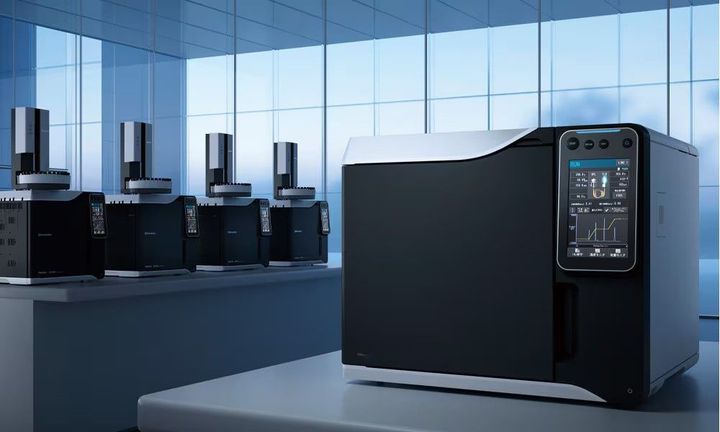
Gas chromatography systems, often called GC systems, are analytical instruments used to separate, identify, and measure chemical compounds that can be vaporized. They work by carrying a gas-phase sample through a column using an inert carrier gas, allowing different components to separate based on their physical and chemical properties.
Gas chromatography exists because many chemical mixtures contain multiple compounds that cannot be accurately analyzed as a whole. Industries, laboratories, and research facilities need precise methods to understand what substances are present and in what quantities. GC systems were developed to meet this need by offering high-resolution separation and reliable measurement of volatile and semi-volatile compounds.
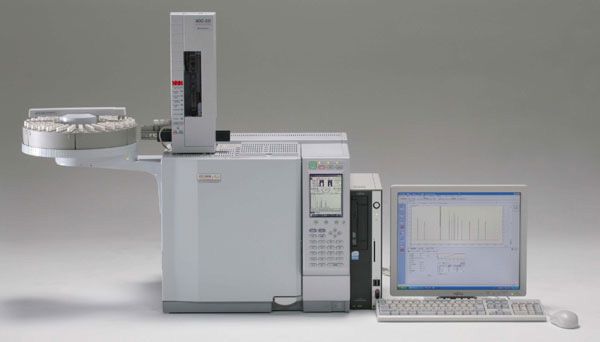
Today, gas chromatography systems are widely used in environmental testing, pharmaceuticals, petrochemicals, food safety, healthcare, and research laboratories. They play a key role in quality control, safety monitoring, and scientific analysis.
Importance
Gas chromatography systems matter because accurate chemical analysis is essential for safety, compliance, research, and product quality. Small errors in chemical identification or concentration measurement can lead to serious consequences in health, environment, or industrial processes.
Why this topic matters today
Several factors have increased the importance of gas chromatography systems:
-
Stricter quality and safety standards
-
Increased environmental monitoring requirements
-
Growth in pharmaceutical and chemical research
-
Need for precise contamination detection
GC systems help address these challenges by delivering consistent and accurate analytical results.
Who gas chromatography systems affect
-
Analytical laboratories and researchers
-
Environmental monitoring agencies
-
Pharmaceutical and chemical manufacturers
-
Food and beverage testing facilities
-
Healthcare and forensic laboratories
Understanding gas chromatography helps these users interpret data correctly and maintain reliable analysis processes.
What Gas Chromatography Systems Do
Gas chromatography systems separate complex mixtures into individual components so they can be analyzed individually.
Core functions of gas chromatography
-
Separation of chemical compounds
-
Identification of individual components
-
Quantification of compound concentrations
-
Detection of trace-level substances
The table below summarizes core functions.
| Function | Purpose |
|---|---|
| Separation | Isolate compounds |
| Identification | Determine chemical type |
| Quantification | Measure concentration |
| Detection | Find impurities |
These functions support accurate and repeatable chemical analysis.
How Gas Chromatography Systems Work
Gas chromatography relies on the movement of vaporized samples through a column under controlled conditions.
Basic operating process
-
Sample is injected into the system
-
Sample vaporizes in a heated inlet
-
Carrier gas moves the sample through the column
-
Compounds separate based on interaction with the column
-
Detector measures each compound as it exits
The table below outlines key components.
| Component | Role |
|---|---|
| Injector | Introduces sample |
| Column | Separates compounds |
| Carrier gas | Transports sample |
| Detector | Measures compounds |
| Data system | Records and analyzes results |
This process allows precise separation and measurement.
Types of Gas Chromatography Systems
Gas chromatography systems vary based on design and application needs.
Packed column GC systems
These systems use packed columns and are typically used for simpler separations or industrial applications.
Capillary column GC systems
Capillary columns offer higher resolution and are widely used in laboratories requiring detailed analysis.
GC coupled systems
GC systems can be combined with other analytical tools for enhanced detection.
The table below compares common GC system types.
| GC Type | Typical Use |
|---|---|
| Packed column | Basic analysis |
| Capillary column | High-resolution analysis |
| GC coupled systems | Advanced research |
Choosing the right system depends on sample complexity and accuracy requirements.
Role of Columns in Gas Chromatography
The column is the heart of a GC system.
How columns affect separation
-
Control interaction between compounds and stationary phase
-
Influence retention time
-
Determine separation efficiency
The table below highlights column characteristics.
| Column Feature | Impact |
|---|---|
| Length | Resolution |
| Diameter | Analysis speed |
| Stationary phase | Selectivity |
Proper column selection is essential for accurate results.
Role of Detectors in Gas Chromatography
Detectors identify and measure separated compounds.
Common detector functions
-
Convert chemical signals into electrical signals
-
Measure concentration based on signal strength
-
Support qualitative and quantitative analysis
Different detectors are used depending on the application and target compounds.
Applications of Gas Chromatography Systems
Gas chromatography systems are used across many sectors.
Common application areas
-
Environmental air and water testing
-
Pharmaceutical quality control
-
Petrochemical analysis
-
Food and flavor testing
-
Forensic and clinical analysis
The table below shows application examples.
| Industry | Application |
|---|---|
| Environment | Pollution monitoring |
| Pharmaceuticals | Drug purity |
| Petrochemicals | Hydrocarbon analysis |
| Food | Contaminant detection |
| Forensics | Substance identification |
Each application relies on GC accuracy and reliability.
Accuracy and Precision in Gas Chromatography
Accuracy refers to how close results are to true values, while precision reflects repeatability.
Factors influencing accuracy
-
Stable temperature control
-
Proper column selection
-
Clean carrier gas
-
Correct calibration
The table below summarizes accuracy influences.
| Factor | Effect |
|---|---|
| Temperature stability | Consistent separation |
| Calibration | Reliable results |
| Clean system | Reduced interference |
Maintaining these factors ensures dependable analysis.
Recent Updates
Gas chromatography technology has continued to advance in recent years.
Notable developments during 2024–2025
-
In February 2024, improved column materials enhanced separation efficiency
-
In July 2024, advanced detectors increased sensitivity for trace analysis
-
By January 2025, wider integration of GC systems with digital data platforms
These updates focus on improving accuracy, speed, and data handling.
Automation and Digital Integration
Modern GC systems often include automated features.
Benefits of automation
-
Automated sample injection
-
Consistent analysis conditions
-
Reduced operator error
-
Faster data processing
The table below highlights automation benefits.
| Feature | Benefit |
|---|---|
| Auto-injectors | Repeatability |
| Software integration | Efficient data analysis |
| Diagnostics | System reliability |
Automation improves productivity and consistency.
Sample Preparation in Gas Chromatography
Sample preparation is critical for reliable results.
Common preparation steps
-
Filtration or purification
-
Dilution or concentration
-
Derivatization for certain compounds
Proper preparation helps prevent column damage and improves accuracy.
Maintenance and Reliability
Regular maintenance supports consistent performance.
Common maintenance activities
-
Column conditioning or replacement
-
Detector cleaning
-
Leak checking
-
Calibration verification
The table below shows maintenance benefits.
| Maintenance Task | Benefit |
|---|---|
| Column care | Stable separation |
| Leak checks | Accurate flow |
| Calibration | Reliable data |
Preventive maintenance reduces downtime and errors.
Environmental and Safety Considerations
GC systems involve gases and heated components.
Safety and environmental focus areas
-
Proper ventilation
-
Safe handling of carrier gases
-
Waste management for samples and solvents
Following safety practices protects operators and equipment.
Laws or Policies
Gas chromatography systems are used in regulated environments.
In India
-
Laboratory safety and chemical handling regulations
-
Environmental testing standards
-
Pharmaceutical and food testing guidelines
General regulatory considerations
-
Compliance with testing standards
-
Calibration and documentation requirements
-
Quality assurance protocols
These policies ensure credible and safe analytical results.
Data Interpretation and Reporting
Accurate analysis depends on correct data interpretation.
Key data outputs
-
Chromatograms
-
Retention times
-
Peak areas and heights
The table below shows data elements.
| Data Element | Purpose |
|---|---|
| Retention time | Compound identification |
| Peak area | Quantification |
| Chromatogram | Visual analysis |
Clear reporting supports informed decisions.
Tools and Resources
Several tools and resources support gas chromatography analysis.
Analytical and planning tools
-
Retention time calculators
-
Method development templates
-
Calibration curve tools
Software and monitoring resources
-
Chromatography data systems
-
Instrument performance dashboards
-
Quality control logs
Educational resources
-
Analytical chemistry textbooks
-
Laboratory best practice guides
-
Technical training programs
These resources help improve analytical accuracy and efficiency.
Comparing Simple and Advanced GC Systems
| Aspect | Basic GC System | Advanced GC System |
|---|---|---|
| Separation resolution | Moderate | High |
| Automation | Limited | Extensive |
| Sensitivity | Standard | Enhanced |
| Data handling | Manual | Integrated |
This comparison highlights system capabilities.
FAQs
What is a gas chromatography system used for?
It is used to separate, identify, and measure chemical compounds in a sample.
Can gas chromatography analyze all chemicals?
It is best suited for volatile and semi-volatile compounds.
How accurate are gas chromatography systems?
When properly maintained and calibrated, they provide highly accurate results.
Do gas chromatography systems require skilled operators?
Basic training is needed to ensure correct operation and data interpretation.
Is gas chromatography used only in laboratories?
It is mainly used in laboratories but supports many industrial and regulatory applications.
Final Thoughts
Gas chromatography systems are essential tools for accurate chemical analysis across many industries. By separating complex mixtures into individual components, they provide detailed insight into chemical composition and concentration.
Understanding how gas chromatography systems work, their components, applications, and regulatory context helps users obtain reliable and meaningful results. Rather than being standalone instruments, GC systems are part of broader quality, safety, and research frameworks.