
Health Data Analytics Explained for Better Clinical and Operational Outcomes
Health data analytics refers to the systematic collection, processing, and analysis of healthcare-related data to generate meaningful insights. This data can come from electronic health records (EHRs), laboratory systems, medical devices, billing platforms, insurance claims, and patient engagement tools. The purpose of health data analytics is to turn large volumes of raw data into actionable information that supports decision-making.
Healthcare systems have always generated data, but for many years this information remained fragmented across paper records and disconnected digital systems. As healthcare delivery became more complex, it became difficult for clinicians and administrators to interpret trends using traditional methods. Delays, inefficiencies, and gaps in care highlighted the need for better data-driven approaches.
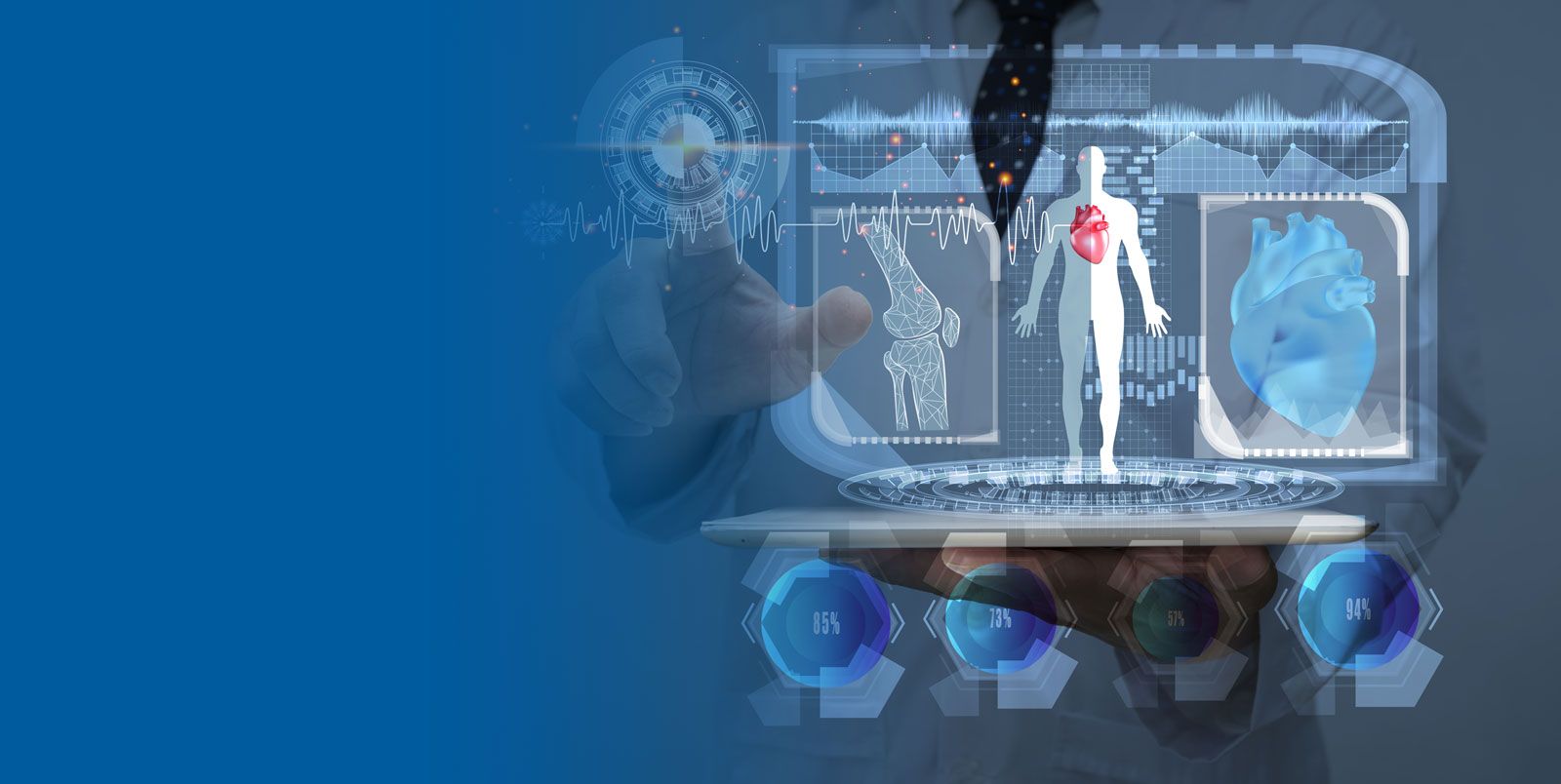
Health data analytics emerged to address these challenges. By applying statistical methods, data visualization, and predictive models, healthcare organizations can better understand patient outcomes, resource utilization, and system performance. Today, health data analytics is a foundational component of modern healthcare management and clinical practice.
Importance – Why Health Data Analytics Matters Today
Health data analytics plays an essential role in improving both clinical care and healthcare operations.
Supports Clinical Decision-Making
Analytics helps clinicians identify patterns, risks, and treatment outcomes based on historical data.
Improves Patient Outcomes
Early detection of trends can support preventive care and timely interventions.
Enhances Operational Efficiency
Hospitals and clinics can optimize staffing, scheduling, and resource allocation.
Reduces Administrative Burden
Automation and insights reduce repetitive manual reporting tasks.
Improves Cost Management
Data analysis supports more efficient use of medical resources and budgets.
Benefits Multiple Stakeholders
Health data analytics supports:
-
Doctors and nurses
-
Hospital administrators
-
Health system planners
-
Insurance providers
-
Public health agencies
Addresses Key Healthcare Challenges
Health data analytics helps solve:
-
Fragmented patient information
-
Delays in diagnosis or treatment
-
Inefficient hospital workflows
-
Rising healthcare costs
-
Limited visibility into system performance
As healthcare systems grow and patient needs become more complex, data-driven insights are increasingly important.
Recent Updates – Trends and Developments in 2024–2025
Health data analytics continued to evolve rapidly over the past year.
Expanded Use of Predictive Analytics (2024)
Healthcare organizations increasingly used data models to anticipate patient risks and demand.
Greater Integration of Real-Time Data
Wearable devices and remote monitoring tools provided continuous health data streams.
Increased Focus on Population Health Analytics
Public health agencies used aggregated data to track chronic disease trends.
Improved Interoperability Standards
Efforts continued to improve data sharing across healthcare systems.
Growth of AI-Assisted Analytics
Artificial intelligence tools supported faster pattern recognition and reporting.
Stronger Emphasis on Data Quality
Healthcare organizations focused on improving accuracy and completeness of records.
These developments reflect a shift toward proactive, insight-driven healthcare management.
Laws or Policies – Regulations Affecting Health Data Analytics
Health data analytics operates within strict legal and ethical frameworks.
Patient Data Privacy Laws
Regulations require protection of personal health information.
Health Information Security Standards
Organizations must safeguard data against unauthorized access.
Data Governance Policies
Healthcare systems must ensure responsible data usage and accountability.
Public Health Reporting Requirements
Certain data must be reported to government authorities for surveillance.
Ethical Use of Health Data
Analytics must avoid bias and support fair decision-making.
These policies aim to balance innovation with patient trust and data security.
Tools and Resources – Helpful Support for Health Data Analytics
Several tools and resources support effective health data analytics.
Useful Tools and Resources
| Tool / Resource | Purpose / Benefit |
|---|---|
| Electronic Health Records (EHRs) | Centralized patient data |
| Clinical Data Warehouses | Store and organize large datasets |
| Data Visualization Dashboards | Simplify complex insights |
| Predictive Analytics Platforms | Identify future risks |
| Population Health Tools | Analyze community health trends |
| Data Quality Management Tools | Improve accuracy and reliability |
| Healthcare BI Software | Support reporting and analysis |
| Training and Analytics Courses | Build analytical skills |
These resources help healthcare organizations extract value from data while maintaining compliance.
FAQs – Clear and Factual Answers
What is health data analytics?
It is the analysis of healthcare data to improve clinical decisions and operational efficiency.
How does health data analytics help doctors?
It provides insights into patient trends, treatment effectiveness, and potential risks.
Is health data analytics only for large hospitals?
No. Clinics, public health agencies, and insurers also use analytics tools.
Does health data analytics replace clinical judgment?
No. It supports, but does not replace, professional decision-making.
Is patient privacy protected in health data analytics?
Yes. Strict laws and security standards govern data use and protection.
Final Thoughts
Health data analytics has become a critical tool for improving healthcare delivery in both clinical and operational settings. By transforming complex data into meaningful insights, it supports better decision-making, efficient resource use, and improved patient outcomes. Recent advancements in predictive analytics, real-time data integration, and interoperability have expanded its potential impact. At the same time, strong data governance and privacy regulations ensure responsible use. As healthcare systems continue to evolve, health data analytics will remain essential for building more responsive, efficient, and patient-centered care environments.