Learn the Basics of HIV Testing for Better Health Awareness and Early Detection
HIV Testing refers to medical tests used to determine whether a person has been infected with the human immunodeficiency virus (HIV). This virus affects the immune system, making it harder for the body to fight infections and diseases over time. HIV testing plays a key role in identifying the presence of the virus, often before symptoms appear.
The need for HIV testing became clear as awareness of the virus increased globally. In earlier years, diagnosis often occurred at later stages due to limited access to testing and lack of awareness. Over time, public health efforts emphasized early detection as a way to manage the condition and reduce transmission.

There are different types of HIV testing methods, each designed to detect specific markers in the body. Some tests identify antibodies produced in response to the virus, while others detect antigens or the virus itself. These methods vary in terms of timing, accuracy, and how soon they can detect infection after exposure.
Today, HIV testing is an essential part of public health programs worldwide. It is used in hospitals, clinics, community centers, and outreach initiatives to promote awareness and early diagnosis.
Importance
HIV testing is important because it enables early detection and supports better health outcomes. When HIV is identified early, individuals can take steps to manage their health and reduce the risk of complications.
One key benefit is awareness. Many people may not experience symptoms in the early stages of HIV, making testing the only reliable way to know one’s status. This awareness allows individuals to make informed decisions about their health and lifestyle.
Another important aspect is prevention. Knowing one’s HIV status can help reduce the spread of the virus by encouraging safer practices and informed choices.
HIV testing addresses several challenges:
- Early identification, by detecting infection before symptoms develop.
- Reducing transmission, through informed behavior and preventive measures.
- Supporting treatment planning, by enabling timely medical intervention.
- Improving public health monitoring, by providing data on infection rates.
For everyday individuals, HIV testing contributes to overall health awareness and helps reduce uncertainty about potential risks.
Recent Updates
Recent developments in HIV testing reflect advancements in medical technology and public health strategies. One significant trend is the improvement in rapid testing methods. These tests can provide results within a short time, making testing more accessible in various settings.
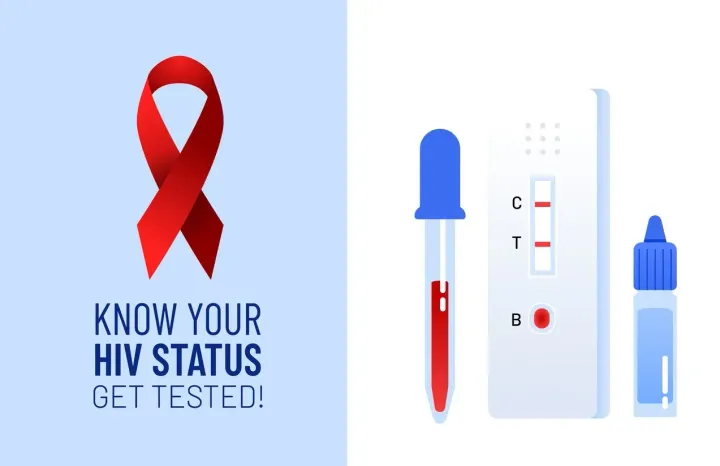
Another development is the increased availability of self-testing kits. These allow individuals to perform HIV testing privately, which can encourage more people to get tested, especially those who may hesitate to visit healthcare facilities.
There is also a growing focus on integrating HIV testing with other health screenings. Combined testing approaches help identify multiple conditions during a single visit, improving efficiency and awareness.
Digital tools are being used to support testing programs as well. Mobile applications and online platforms provide information about testing locations, procedures, and follow-up steps.
In addition, public health campaigns continue to emphasize regular testing for high-risk groups and routine screening as part of general healthcare practices.
Laws or Policies
HIV testing is guided by various laws and policies that aim to protect individuals and promote public health. These regulations ensure that testing is conducted ethically and that personal information is handled with care.
In India, the Human Immunodeficiency Virus and Acquired Immune Deficiency Syndrome (Prevention and Control) Act provides a legal framework for HIV-related issues. This law focuses on preventing discrimination, ensuring confidentiality, and promoting access to testing and treatment.
Key policy aspects include:
- Informed consent, where individuals must agree before undergoing HIV testing.
- Confidentiality requirements, ensuring that test results are kept private.
- Non-discrimination provisions, protecting individuals from unfair treatment based on their HIV status.
- Access to information, ensuring that people receive accurate details about testing and prevention.
National programs such as those led by the National AIDS Control Organization (NACO) also play a role in expanding awareness and testing availability.
These laws and policies help create a supportive environment for individuals seeking HIV testing.
Tools and Resources
Various tools and resources support HIV testing and awareness. These resources help individuals understand testing options, locate facilities, and access reliable information.
Common resources include:
- Diagnostic testing kits, used in clinical and community settings to detect HIV.
- Self-testing kits, allowing individuals to perform tests privately.
- Health information websites, providing guidance on testing procedures and interpretation of results.
- Mobile applications, offering information on nearby testing centers and educational content.
- Counseling resources, helping individuals understand results and next steps.
Below is a table summarizing common types of HIV testing methods:
| Test Type | What It Detects | Typical Use Case |
|---|---|---|
| Antibody Test | Antibodies produced in response to HIV | Routine screening and general testing |
| Antigen/Antibody Test | Both HIV antigens and antibodies | Early detection in clinical settings |
| Nucleic Acid Test | Virus genetic material (RNA) | Early-stage detection in specific cases |
| Rapid Test | Antibodies or antigens | Quick results in community or clinic settings |
| Self-Test Kit | Antibodies (user-administered) | Private testing at home |
These tools and resources make HIV testing more accessible and easier to understand for the general public.
FAQs
What is HIV testing and why is it important?
HIV testing is a process used to determine whether a person has been infected with HIV. It is important because it enables early detection, supports better health management, and helps reduce the spread of the virus.
How often should someone consider HIV testing?
The frequency of HIV testing depends on individual risk factors. People with higher risk may need more regular testing, while others may include it as part of routine health check-ups.
Are there different types of HIV testing methods?
Yes, there are several types, including antibody tests, antigen/antibody tests, and nucleic acid tests. Each method detects different markers and may be used in different situations.
Can HIV testing detect infection immediately after exposure?
HIV testing may not detect infection immediately due to a window period. This is the time between exposure and when the virus becomes detectable. The length of this period varies depending on the test type.
Is HIV testing confidential?
Yes, HIV testing is conducted with confidentiality. Laws and policies ensure that personal information and test results are protected.
Conclusion
HIV testing is an essential component of health awareness and disease prevention. It allows individuals to understand their health status and take appropriate steps for care and prevention. Advances in testing methods and increased accessibility have made it easier for people to get tested. Understanding the basics of HIV testing helps promote informed decisions and supports overall public health efforts.
Disclaimer: The information provided in this article is for informational purposes only. We do not make any claims or guarantees regarding the accuracy, reliability, or completeness of the information presented. The content is not intended as professional advice and should not be relied upon as such. Readers are encouraged to conduct their own research and consult with appropriate professionals before making any decisions based on the information provided in this article.