Botox Vs Dysport Facts Explained for Informed Cosmetic Decisions
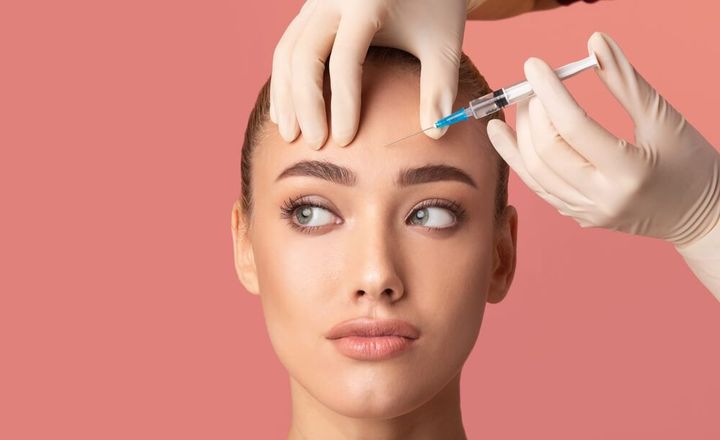
Botox and Dysport are injectable treatments widely used in cosmetic dermatology and medical aesthetics. Both products are derived from botulinum toxin type A, a purified substance that temporarily relaxes specific muscles. They were developed to address conditions caused by excessive muscle activity, such as facial lines formed by repeated expressions.
Over time, their use expanded beyond medical applications into cosmetic care, particularly for reducing the appearance of dynamic wrinkles on the face. These include forehead lines, frown lines between the eyebrows, and crow’s feet around the eyes.
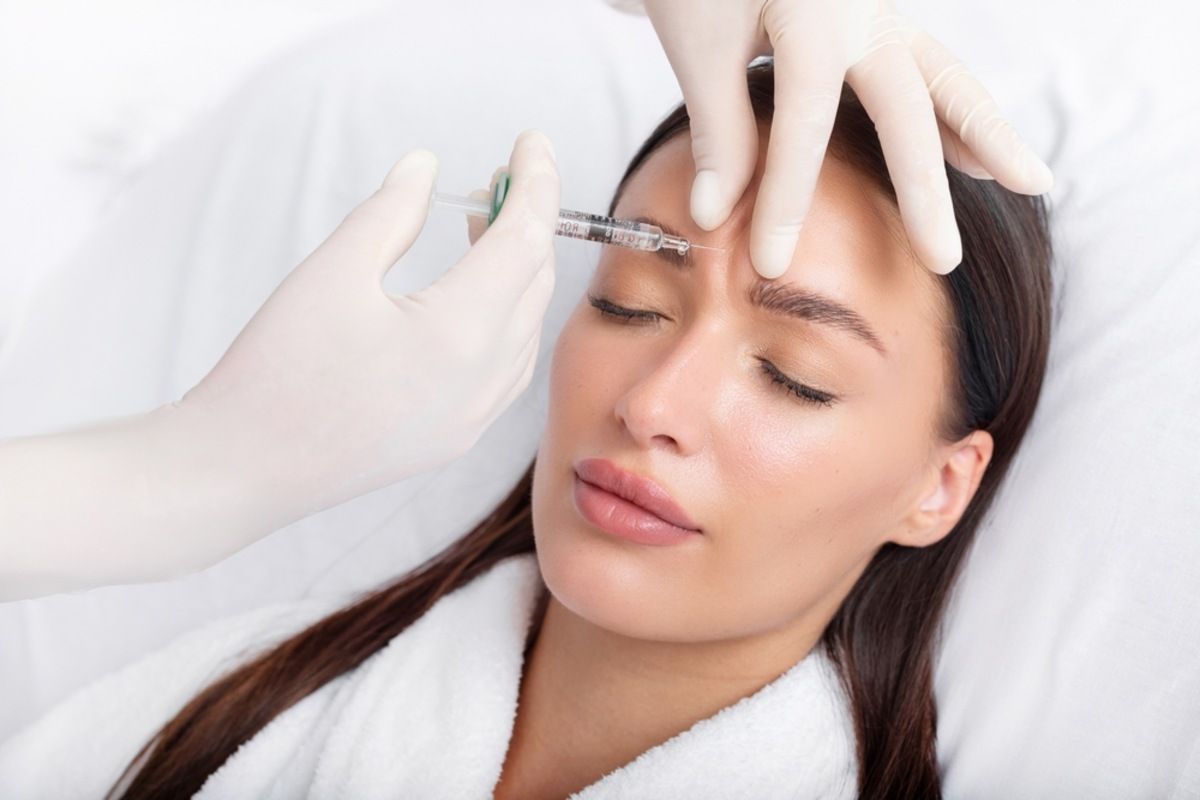
Although Botox and Dysport are often discussed together, they are not identical products. Each has unique formulation characteristics, dosing units, and diffusion patterns. Understanding these differences helps individuals make informed and realistic decisions in consultation with qualified healthcare professionals.
Importance
Cosmetic injectable treatments have become more common across different age groups and genders. As interest increases, so does the need for clear and factual information.
This topic matters because:
-
Many people assume Botox and Dysport are interchangeable
-
Misunderstanding differences can lead to unrealistic expectations
-
Treatment outcomes depend on product choice, dosage, and technique
-
Safety and regulation awareness is essential for responsible use
These treatments primarily affect adults considering non-surgical cosmetic options. They also play a role in certain medical treatments, such as muscle spasticity and chronic migraines, though this article focuses on cosmetic use.
By explaining similarities, differences, benefits, and limitations, this comparison helps readers approach cosmetic decisions with better knowledge rather than assumptions or marketing claims.
Key Comparison Overview
The table below provides a simplified comparison to highlight general differences.
| Feature | Botox | Dysport |
|---|---|---|
| Active ingredient | Botulinum toxin type A | Botulinum toxin type A |
| Manufacturer | AbbVie | Ipsen |
| Onset time | 3–5 days (average) | 2–4 days (average) |
| Spread behavior | More localized | Slightly wider diffusion |
| Unit measurement | Unique to Botox | Unique to Dysport |
| Typical duration | 3–4 months | 3–4 months |
Note: Units are not interchangeable between products.
Importance of Understanding Differences
Choosing between Botox and Dysport is not about determining which is “better,” but about understanding how each may behave differently depending on individual anatomy and treatment goals.
Some key considerations include:
-
Treatment area size
-
Muscle strength
-
Desired subtlety
-
Previous experience with injectables
A wider diffusion may be preferred for larger areas like the forehead, while more localized control may suit targeted lines. These factors are assessed by trained practitioners rather than decided independently.
Recent Updates
Over the past year, cosmetic injectables have continued to evolve with improved practitioner training, safety guidelines, and patient education.
Key trends observed in 2025:
-
Increased focus on natural-looking results
-
Growth in preventive aesthetic treatments
-
More transparent patient information requirements
-
Expanded research on dosing consistency and longevity
In March 2025, several dermatology associations updated clinical guidance emphasizing individualized treatment planning rather than standardized dosing. This reflects a broader industry move toward personalization.
Additionally, patient awareness regarding ingredient sourcing, regulatory approval, and practitioner credentials has increased significantly compared to previous years.
Treatment Longevity and Onset Comparison
Below is a simplified visual representation of onset and duration trends.
| Aspect | Botox | Dysport |
|---|---|---|
| Initial visible effect | 3–5 days | 2–4 days |
| Full effect | 7–14 days | 7–14 days |
| Average longevity | 12–16 weeks | 12–16 weeks |
Results vary depending on metabolism, muscle activity, and injection technique.
Laws or Policies
Regulation of injectable cosmetic products is strict due to their medical classification.
In India
-
Regulated by the Central Drugs Standard Control Organization (CDSCO)
-
Must be prescribed and administered by licensed medical professionals
-
Clinics are required to follow storage, handling, and dosage protocols
Internationally
-
Approved by the U.S. Food and Drug Administration (FDA) for specific cosmetic and medical indications
-
Subject to ongoing pharmacovigilance and safety monitoring
-
Advertising claims are regulated to prevent misleading information
Unlicensed administration or non-approved uses may violate medical regulations and safety standards.
Safety and Eligibility Considerations
While generally well-studied, these treatments are not suitable for everyone.
Common considerations include:
-
Pregnancy or breastfeeding
-
Neuromuscular conditions
-
Known sensitivity to botulinum toxin
-
Certain medications that affect muscle function
A medical consultation is essential to assess suitability and minimize risk.
Tools and Resources
Several tools and resources help individuals learn more and prepare for consultations.
Educational Resources
-
Official product websites (for approved information)
-
Dermatology association patient guides
-
Government health portals
Consultation Aids
-
Facial muscle mapping charts
-
Pre-treatment assessment forms
-
Before-and-after photo tracking (for personal reference)
Professional Directories
-
Certified dermatologist directories
-
Medical council registration databases
These resources support informed discussions rather than self-diagnosis or decision-making.
FAQs
Is Botox the same as Dysport?
No. While both contain botulinum toxin type A, they differ in formulation, unit measurement, and diffusion behavior. They are not interchangeable.
How long do results typically last?
Most people experience results lasting around three to four months. Individual factors such as metabolism and muscle strength influence duration.
Can someone switch between Botox and Dysport?
Yes, switching is possible, but dosing and technique must be adjusted. This should only be done under professional guidance.
Are the side effects different?
Side effects are generally similar and may include temporary redness, swelling, or mild discomfort at the injection site. Serious effects are uncommon when administered correctly.
Do results appear immediately?
No. Initial effects usually appear within a few days, with full results visible within one to two weeks.
Final Thoughts
Botox and Dysport are well-established injectable treatments with similar purposes but distinct characteristics. Understanding how they work, how they differ, and how they are regulated helps individuals approach cosmetic treatments realistically and responsibly.
Rather than focusing on product names alone, informed decisions are best made through professional consultation, clear expectations, and awareness of personal factors. Cosmetic injectables are medical treatments, and their effectiveness and safety depend on appropriate use, proper administration, and adherence to regulatory standards.
An informed approach supports better outcomes and aligns expectations with achievable, natural-looking results.