
Collagen Renewal Explained to Support Healthier Skin and Tissues
Collagen renewal refers to the natural process by which the body produces, breaks down, and replaces collagen, a structural protein found in skin, bones, muscles, tendons, and connective tissues. Collagen plays a key role in providing strength, elasticity, and support throughout the body. As part of normal biological aging, collagen production gradually slows, while breakdown continues.
The concept of collagen renewal exists to explain how the body maintains tissue structure over time and why visible and functional changes occur with age. These changes may include reduced skin elasticity, joint stiffness, and slower tissue repair. Understanding collagen renewal helps explain how lifestyle, nutrition, and general health can influence skin and tissue condition without focusing on cosmetic outcomes alone.
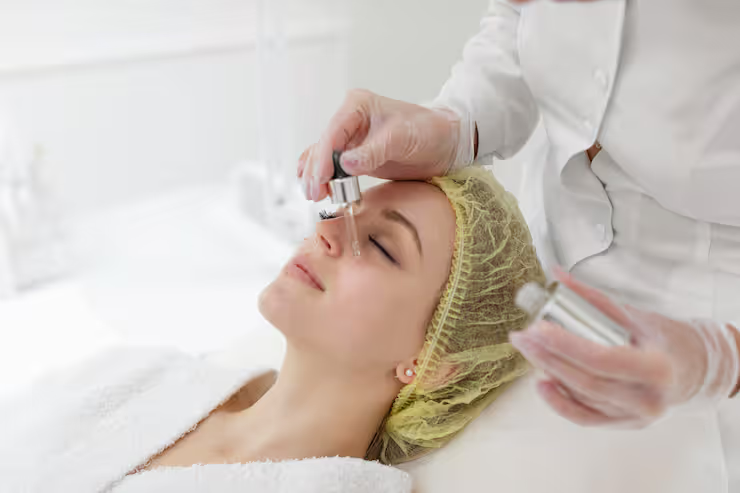
This topic is often discussed in health education because collagen affects multiple body systems, not just appearance.
Importance
Collagen renewal matters because collagen is essential to everyday bodily function. It supports skin integrity, joint movement, wound healing, and the structure of internal organs. When collagen renewal slows, tissues may become less resilient over time.
Why collagen renewal is important today
Several modern factors have increased interest in collagen health:
-
Longer life expectancy
-
Increased awareness of preventive health
-
Environmental stressors such as pollution and UV exposure
-
Sedentary lifestyles affecting tissue strength
Understanding collagen renewal helps people make informed decisions about general health habits that support tissue maintenance.
Who collagen renewal affects
-
Adults across all age groups
-
Individuals concerned about skin and joint health
-
People recovering from physical stress or injury
-
Those interested in long-term wellness
Collagen renewal is a natural process that affects everyone, not just those focused on visible aging.
Role of Collagen in the Body
Collagen is the most abundant protein in the human body and is found in many tissues.
Key functions of collagen
-
Provides structure to skin and connective tissue
-
Supports joint flexibility and movement
-
Contributes to wound healing
-
Helps maintain blood vessel integrity
The table below shows where collagen is commonly found.
| Body Area | Role of Collagen |
|---|---|
| Skin | Strength and elasticity |
| Joints | Cushioning and support |
| Bones | Structural framework |
| Tendons | Force transmission |
| Blood vessels | Tissue stability |
Healthy collagen renewal supports these functions over time.
Recent Updates
Research and public health discussions around collagen have continued to evolve.
Notable developments during 2024–2025
-
In March 2024, health publications emphasized lifestyle-based support for natural collagen maintenance
-
In August 2024, studies highlighted the role of balanced nutrition in supporting connective tissue health
-
By January 2025, there was increased focus on skin barrier health and internal tissue support rather than appearance-based outcomes
There has also been growing attention on avoiding exaggerated claims and focusing on evidence-based education regarding collagen-related health topics.
Factors That Influence Collagen Renewal
Collagen renewal is affected by internal and external factors.
Biological factors
-
Natural aging processes
-
Hormonal changes
-
Genetic predisposition
Lifestyle and environmental factors
-
Nutrition and hydration
-
Sun exposure
-
Physical activity levels
-
Smoking and pollution exposure
The table below compares factors that may support or reduce collagen renewal.
| Factor | Potential Influence |
|---|---|
| Balanced nutrition | Supports tissue repair |
| Physical activity | Encourages circulation |
| Chronic stress | May affect regeneration |
| Excess sun exposure | Accelerates breakdown |
| Poor sleep | Slows recovery processes |
Awareness of these factors helps explain why collagen health varies between individuals.
Collagen Renewal and Skin Health
Skin contains a high concentration of collagen, making renewal especially noticeable in this tissue.
How collagen supports skin
-
Maintains firmness and structure
-
Supports moisture retention
-
Helps skin recover from minor damage
Over time, reduced collagen renewal may contribute to changes in texture and elasticity. These changes are gradual and part of normal biological aging.
Collagen Renewal and Connective Tissues
Beyond skin, collagen plays a major role in joints, tendons, and ligaments.
Connective tissue functions
-
Absorbing physical stress
-
Supporting movement
-
Maintaining joint stability
Collagen renewal supports the ongoing repair of these tissues, especially in individuals with active lifestyles or physically demanding routines.
Nutrition and Collagen Support
Nutrition plays a supporting role in the body’s ability to maintain tissues.
Nutritional elements linked to collagen processes
-
Adequate protein intake
-
Vitamins involved in tissue repair
-
Minerals supporting enzymatic functions
-
Sufficient hydration
The table below outlines general nutritional roles.
| Nutrient Category | Role |
|---|---|
| Proteins | Building blocks |
| Vitamins | Support synthesis processes |
| Minerals | Assist metabolic activity |
| Water | Tissue hydration |
These elements support overall health rather than targeting collagen directly.
Laws or Policies
Collagen-related information is influenced by health, nutrition, and advertising regulations.
In India
-
Health claims are regulated under consumer protection laws
-
Dietary and wellness information must avoid misleading statements
-
Advertising guidelines restrict unverified health promises
General considerations
-
Medical claims require scientific substantiation
-
Supplements and wellness products are regulated separately
-
Public health messaging emphasizes evidence-based education
These policies aim to ensure accurate and responsible health communication.
Tools and Resources
Several tools and resources support learning about collagen and tissue health.
Educational resources
-
Government health portals
-
Medical education websites
-
Academic health publications
Health monitoring tools
-
Skin health tracking apps
-
Nutrition planning tools
-
Physical activity trackers
Professional guidance resources
-
Dermatology information centers
-
General wellness counseling platforms
-
Preventive health check-up programs
These resources support awareness and learning rather than treatment decisions.
Comparing Collagen Changes Over Time
The table below shows general trends in collagen renewal across life stages.
| Life Stage | Collagen Renewal Trend |
|---|---|
| Early adulthood | High production |
| Mid-adulthood | Gradual decline |
| Later adulthood | Slower regeneration |
These changes occur naturally and vary between individuals.
FAQs
What is collagen renewal?
Collagen renewal is the ongoing process by which the body replaces and repairs collagen in tissues such as skin, joints, and connective structures.
Does collagen renewal stop with age?
No. Collagen renewal continues throughout life, but the rate generally slows as part of natural aging.
Can lifestyle habits influence collagen renewal?
Healthy habits such as balanced nutrition, regular activity, and adequate rest support overall tissue health, including collagen-related processes.
Is collagen only important for skin?
No. Collagen is essential for many tissues, including joints, bones, tendons, and blood vessels.
Are collagen-related changes a health concern?
Most changes are part of normal aging. Concerns about tissue health should be discussed with qualified healthcare professionals.
Final Thoughts
Collagen renewal is a natural and continuous process that supports the structure and function of skin and tissues throughout the body. While collagen levels change over time, understanding how renewal works helps explain common physical changes associated with aging and lifestyle factors.
Rather than focusing on quick solutions, a balanced approach that includes healthy habits, informed awareness, and realistic expectations supports long-term tissue health. Clear, evidence-based understanding allows individuals to make thoughtful decisions aligned with overall well-being.