Discover How Cement Mixing Machines Improve Construction Efficiency
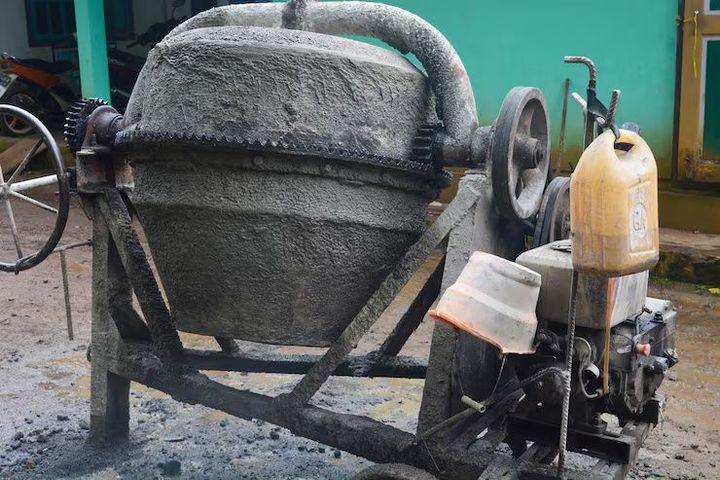
Cement mixing machines, commonly known as concrete mixers, are essential equipment used to combine cement, aggregates, and water into concrete. Before mechanical mixers existed, workers manually mixed concrete using shovels, which required significant time and effort and often resulted in inconsistent quality. Cement mixing machines were developed to solve these challenges by automating the mixing process, ensuring uniformity, and increasing productivity.
These machines come in various sizes, from small portable mixers used for minor construction tasks to large, industrial-grade mixers used on major infrastructure projects. Their role is to maintain the right mix ratio, ensure proper blending, and deliver fresh concrete efficiently. As construction became more advanced, reliable mixing technology became a fundamental requirement for creating durable buildings, roads, bridges, and other structures.
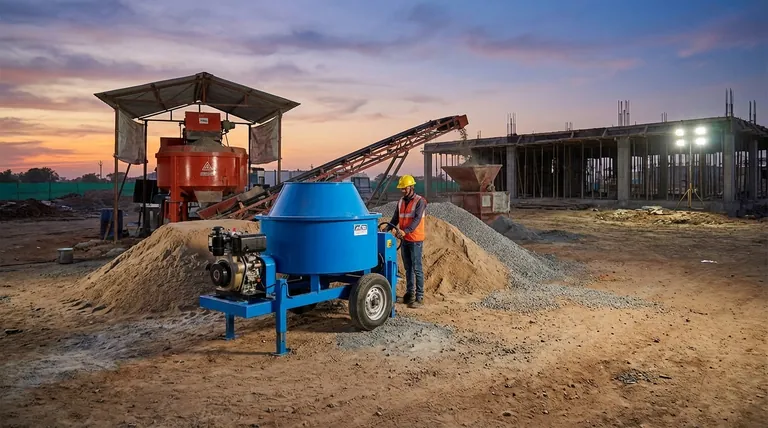
Cement mixing machines exist because modern construction depends on consistency, speed, and high-quality materials. They help achieve precise mixtures that meet engineering standards while reducing human error.
Importance – Why Cement Mixing Machines Matter Today
Cement mixing machines play a significant role in improving construction processes, quality, and safety. They are used by contractors, builders, engineers, and construction teams across residential, commercial, and industrial projects.
1. Improved Concrete Quality
Mechanical mixers produce uniform and consistent mixtures. Maintaining proper proportions of water, cement, and aggregates ensures stronger and more durable structures.
2. Faster Construction Workflow
Automated mixing drastically reduces the time needed to prepare concrete. This supports project timelines and reduces delays, especially in large-scale projects.
3. Reduced Manual Labor
By automating the mixing process, construction workers face less physical strain. This also helps minimize fatigue-related errors.
4. Cost Efficiency
Efficient mixing reduces material wastage. When concrete is properly mixed, fewer repairs or adjustments are needed, saving overall project costs.
5. Versatility Across Project Types
Cement mixing machines support a wide range of construction applications such as:
-
Foundations
-
Roads and pavements
-
Structural frames
-
Landscaping projects
-
Small home repairs
6. Safety Improvements
Modern mixers include features that reduce accidents, such as enclosed mixing drums, automatic shutoffs, and stable frames.
These benefits make cement mixing machines essential for both small and large construction operations.
Recent Updates – Developments and Trends in 2024–2025
The cement mixing machine industry has seen noteworthy advancements aimed at improving energy efficiency, automation, and sustainability.
1. Increased Use of Electric Mixers (2024)
Electric-powered mixers gained popularity for their low emissions, quiet operation, and reduced maintenance needs.
2. Smart Mixing Technology Adoption (2024–2025)
Newer machines now include digital sensors that measure:
-
Moisture content
-
Mixing speed
-
Load capacity
These features help achieve consistent concrete quality.
3. Portable and Lightweight Designs
Manufacturers introduced compact models suitable for repair work and small residential projects, making mixers more accessible to small contractors.
4. Integration With Construction Management Apps (2024)
Some advanced mixers connect to mobile apps that track usage, maintenance schedules, and productivity metrics.
5. Sustainability-Focused Features
Mixers are increasingly designed to reduce energy consumption and optimize water usage. Some models support eco-friendly cement mixtures.
6. Noise Reduction Enhancements
Throughout 2024, quieter motors and sound-dampening materials were added to many machines to improve working conditions.
These updates highlight the industry’s shift toward efficiency, safety, and smart construction technologies.
Laws or Policies – Regulations That Influence Cement Mixing Machines
Construction equipment, including cement mixing machines, is regulated by guidelines that ensure safe operation, environmental responsibility, and quality compliance.
1. Occupational Safety Standards
Construction workers operating mixers must follow safety procedures such as:
-
Wearing protective gear
-
Keeping hands away from moving drums
-
Ensuring stable machine placement
Authorities often issue safety manuals and require training programs.
2. Equipment Certification Requirements
Mixers must meet national and international manufacturing standards for:
-
Structural integrity
-
Electrical safety
-
Noise limits
-
Mechanical reliability
These certifications help ensure safe workplace operations.
3. Environmental Regulations
Policies may address:
-
Dust control
-
Emission limits for fuel-powered mixers
-
Wastewater management
Eco-friendly regulations encourage the use of energy-efficient or electric models.
4. Construction Project Compliance
In some cases, construction projects require concrete mixtures that meet specific engineering codes. Mixers help maintain compliance by ensuring accurate mixing ratios.
5. Local Licensing and Transport Rules
Large mixing trucks must follow road safety and weight regulations. Portable on-site mixers must comply with local building site rules.
These policies ensure that cement mixing machines support safe, efficient, and responsible construction practices.
Tools and Resources – Helpful Apps, Calculators, and Platforms
Contractors, technicians, and engineers can use digital tools to enhance cement mixing accuracy, project planning, and equipment management.
Useful Tools and Resources
| Tool / Resource | Purpose / Benefit |
|---|---|
| Concrete Mix Calculators | Estimate required cement, aggregate, and water ratios. |
| Construction Safety Apps | Provide guidelines for equipment operation. |
| Equipment Maintenance Logs | Track servicing schedules to extend mixer lifespan. |
| Project Management Platforms | Organize tasks, timelines, and equipment usage. |
| Material Estimation Tools | Calculate total concrete volume needed for project areas. |
| Training Modules for Operators | Teach proper mixing methods and machine handling. |
| Weather Forecast Apps | Help plan concrete pouring based on temperature conditions. |
| Cost Estimation Software | Assist in calculating project expenses and material budgets. |
These resources support accurate mixtures, productivity improvements, and safer construction environments.
FAQs – Clear Answers to Common Questions
1. What types of cement mixing machines are commonly used?
Popular types include drum mixers, portable mixers, transit mixers (truck-mounted), and batch mixers used in industrial plants.
2. How long should concrete be mixed?
Mixing time depends on machine size and load, but typically ranges between 2–5 minutes to achieve uniform consistency.
3. Do cement mixers require regular maintenance?
Yes. Routine maintenance includes greasing moving parts, checking belts, cleaning drums, and inspecting electrical components.
4. Can one mixer be used for multiple construction materials?
Some mixers support mortar, plaster, and grout, but using separate drums or thorough cleaning is recommended to avoid cross-contamination.
5. Are electric cement mixers better than diesel models?
Electric mixers are quieter and environmentally friendly, while diesel mixers are preferred for heavy-duty or remote site operations.
Final Thoughts
Cement mixing machines have become a central part of modern construction by improving productivity, ensuring consistent concrete quality, and reducing manual effort. With advancements in smart sensors, electric motors, and user-friendly designs, today’s mixers support safer and more efficient building processes. Understanding the latest trends, regulations, and operational tools helps entrepreneurs, contractors, and workers choose the right mixer for their needs. As construction demands increase, cement mixing machines will continue to play an essential role in delivering strong, durable structures across residential and infrastructure projects.