How Air Jet Looms Improve Fabric Quality and Production Speed
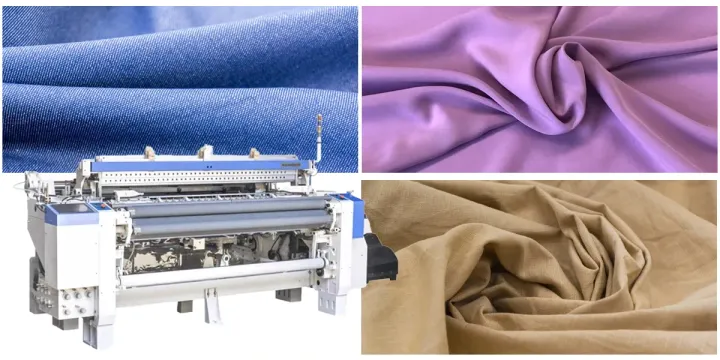
Air jet looms are advanced weaving machines that use high-speed air streams to insert the weft yarn through the warp shed. Unlike traditional shuttle looms or mechanical weft insertion systems, air jet looms rely on compressed air to move yarn rapidly and smoothly across the fabric width. This technology was developed to address the growing need for faster, more consistent, and more efficient fabric production.
The concept of air jet weaving emerged as textile manufacturers sought alternatives to slower shuttle-based looms. Mechanical systems introduced friction, vibration, and limitations on speed. Air jet looms offered a solution by reducing physical contact during weft insertion, allowing higher speeds and improved fabric uniformity.
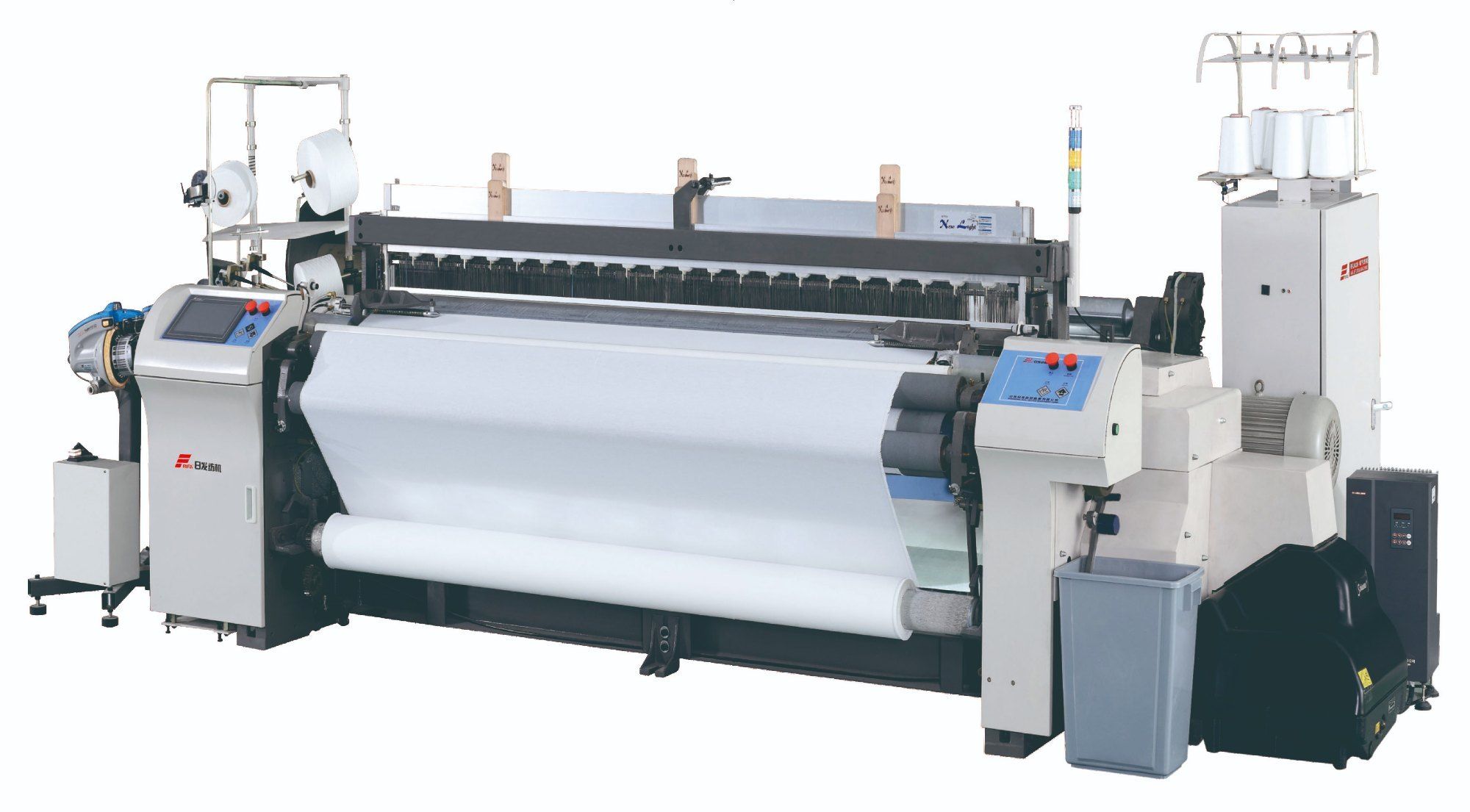
Today, air jet looms are widely used in modern textile mills producing apparel fabrics, home textiles, and technical textiles. They are valued for their ability to balance production speed with fabric quality in large-scale manufacturing environments.
Importance
Air jet looms matter because fabric quality and production speed are critical factors in textile competitiveness. Manufacturers must meet increasing demand while maintaining consistent standards for appearance, strength, and performance.
Why this topic matters today
Several trends have increased the relevance of air jet looms in the textile industry:
-
Rising demand for high-volume fabric production
-
Increased focus on consistent fabric quality
-
Pressure to reduce production time and costs
-
Growth of automated and smart textile manufacturing
Air jet looms help address these challenges by enabling fast, reliable, and repeatable weaving processes.
Who air jet looms affect
-
Textile and fabric manufacturers
-
Apparel and home textile producers
-
Technical textile suppliers
-
Production managers and quality control teams
Understanding air jet looms helps these stakeholders optimize weaving operations and improve overall efficiency.
How Air Jet Looms Work
Air jet looms use compressed air to carry the weft yarn across the loom width. The process is carefully controlled to ensure accurate yarn placement and stable fabric formation.
Basic air jet weaving process
-
Warp yarns are held under controlled tension
-
A shed is formed by lifting selected warp yarns
-
Compressed air propels the weft yarn through the shed
-
Auxiliary nozzles guide the yarn across the width
-
The reed beats the yarn into place
-
The fabric advances for the next cycle
The table below outlines key components and their functions.
| Component | Function |
|---|---|
| Main nozzle | Inserts weft yarn |
| Relay nozzles | Guide yarn across width |
| Air supply system | Provides compressed air |
| Warp control | Maintains yarn alignment |
| Control unit | Synchronizes operations |
This coordinated system allows high-speed and precise weaving.
Types of Air Jet Looms
Air jet looms are available in different configurations based on fabric type and production needs.
Single-nozzle air jet looms
These looms use one main nozzle and are typically used for simpler fabrics and narrower widths.
Multi-nozzle air jet looms
Multi-nozzle systems use additional relay nozzles to support wider fabrics and higher speeds.
Electronic air jet looms
These looms use electronic controls for precise timing, air pressure adjustment, and pattern control.
The table below compares common air jet loom types.
| Loom Type | Typical Use |
|---|---|
| Single-nozzle | Simple fabrics |
| Multi-nozzle | Wide fabrics |
| Electronic | High-precision weaving |
Choosing the right type depends on fabric design and production volume.
Role of Air Jet Looms in Fabric Quality
Fabric quality depends on yarn placement, tension control, and consistency during weaving.
How air jet looms improve fabric quality
-
Reduced mechanical stress on yarn
-
Uniform weft insertion
-
Consistent fabric density
-
Lower risk of yarn damage
The table below summarizes quality benefits.
| Quality Aspect | Impact |
|---|---|
| Yarn integrity | Preserved |
| Fabric uniformity | Improved |
| Surface appearance | Smoother |
| Defect rate | Reduced |
These factors contribute to better-looking and more reliable fabrics.
Role of Air Jet Looms in Production Speed
Speed is a defining advantage of air jet looms.
How air jet looms increase speed
-
High weft insertion rates
-
Reduced moving mechanical parts
-
Faster start-stop capability
-
Efficient automation integration
The table below highlights speed-related benefits.
| Factor | Effect on Speed |
|---|---|
| Air-based insertion | Faster cycles |
| Lightweight components | Reduced inertia |
| Automation | Continuous operation |
Higher speeds allow mills to meet large orders more efficiently.
Applications of Air Jet Looms
Air jet looms are used across various textile segments.
Common application areas
-
Apparel fabrics such as shirts and trousers
-
Home textiles including bedsheets and curtains
-
Industrial and technical textiles
-
Lightweight and medium-weight fabrics
The table below shows application examples.
| Sector | Fabric Type |
|---|---|
| Apparel | Woven garments |
| Home textiles | Bedding and décor |
| Industrial | Functional fabrics |
Each application benefits from the speed and consistency of air jet weaving.
Yarn Types Suitable for Air Jet Looms
Not all yarns behave the same under air jet weaving.
Commonly used yarn types
-
Cotton yarns
-
Polyester and synthetic yarns
-
Blended yarns
-
Fine and medium-count yarns
The table below summarizes yarn suitability.
| Yarn Type | Suitability |
|---|---|
| Cotton | High |
| Polyester | High |
| Blends | Good |
| Very coarse yarns | Limited |
Proper yarn selection helps maintain stable weaving conditions.
Recent Updates
Air jet loom technology has continued to advance in response to efficiency and sustainability goals.
Notable developments during 2024–2025
-
In February 2024, improved air management systems reduced energy consumption
-
In July 2024, enhanced electronic controls improved fabric consistency
-
By January 2025, wider adoption of smart monitoring systems supported predictive maintenance
These updates focus on balancing speed, quality, and energy efficiency.
Energy Efficiency Considerations
Air jet looms rely on compressed air, which affects energy use.
Factors influencing energy efficiency
-
Optimized air pressure settings
-
Efficient nozzle design
-
Modern compressors and air systems
-
Regular maintenance
The table below shows efficiency factors.
| Factor | Impact |
|---|---|
| Air optimization | Lower energy use |
| Modern controls | Reduced waste |
| Maintenance | Stable performance |
Efficient operation helps control production costs.
Automation and Digital Control
Modern air jet looms are highly automated.
Benefits of digital control systems
-
Precise timing of air jets
-
Automated fault detection
-
Real-time production data
-
Faster changeovers
The table below highlights automation benefits.
| Feature | Benefit |
|---|---|
| Sensors | Quality monitoring |
| Automation | Consistent output |
| Data analytics | Process optimization |
Automation improves both speed and fabric quality.
Maintenance and Operational Reliability
Regular maintenance is essential for air jet loom performance.
Common maintenance practices
-
Cleaning nozzles and air lines
-
Checking warp and weft tension systems
-
Inspecting electronic components
-
Monitoring air pressure consistency
The table below shows maintenance benefits.
| Maintenance Action | Result |
|---|---|
| Nozzle cleaning | Stable weft insertion |
| System checks | Reduced downtime |
| Preventive care | Longer machine life |
Good maintenance supports consistent production.
Comparison With Other Loom Types
Air jet looms are one of several weaving technologies.
| Loom Type | Key Feature |
|---|---|
| Shuttle looms | Traditional weaving |
| Rapier looms | Flexible yarn handling |
| Air jet looms | High speed |
| Water jet looms | Synthetic yarn focus |
Each loom type serves different fabric and production needs.
Laws or Policies
Air jet looms are subject to industrial and workplace regulations.
In India
-
Factory safety regulations apply to textile machinery
-
Occupational health standards govern noise and air use
-
Energy efficiency guidelines influence equipment operation
General regulatory considerations
-
Machinery safety compliance
-
Worker protection requirements
-
Environmental and energy use norms
These policies support safe and responsible loom operation.
Worker Safety and Ergonomics
Air jet looms are designed to improve operator safety.
Safety-related features
-
Enclosed moving parts
-
Emergency stop systems
-
Reduced vibration
-
Improved operator interfaces
Safer machines help reduce workplace risks.
Tools and Resources
Several tools and resources support air jet loom operation.
Planning and production tools
-
Fabric design templates
-
Loom speed and output calculators
-
Production scheduling worksheets
Monitoring and maintenance resources
-
Loom performance dashboards
-
Maintenance checklists
-
Quality inspection tools
Educational resources
-
Textile engineering manuals
-
Weaving technology guides
-
Operator training programs
These resources help optimize loom performance.
Comparing Fabric Output at Different Speeds
| Aspect | Lower Speed | High Speed (Air Jet) |
|---|---|---|
| Production volume | Limited | High |
| Fabric consistency | Variable | Consistent |
| Lead time | Longer | Shorter |
| Cost efficiency | Lower | Improved |
This comparison highlights the value of air jet looms.
FAQs
What is an air jet loom used for?
An air jet loom is used to weave fabric by inserting weft yarn using compressed air.
Do air jet looms produce better fabric quality?
They support consistent yarn placement and reduced yarn stress, which improves fabric uniformity.
Are air jet looms suitable for all yarn types?
They are best suited for fine to medium yarns and are less suitable for very heavy yarns.
Do air jet looms consume more energy?
They use compressed air, but modern designs focus on improved energy efficiency.
Are air jet looms suitable for large-scale production?
Yes. They are widely used in high-volume textile manufacturing.
Final Thoughts
Air jet looms have transformed modern weaving by combining high production speed with reliable fabric quality. Their use of compressed air for weft insertion reduces mechanical limitations and enables consistent, high-speed operation.
Understanding how air jet looms work, their applications, and regulatory context helps textile manufacturers make informed decisions about weaving technology. Rather than focusing only on speed, air jet looms provide a balanced approach that supports quality, efficiency, and scalability.