Twisting Machines Explained for Strong and Consistent Yarn Production
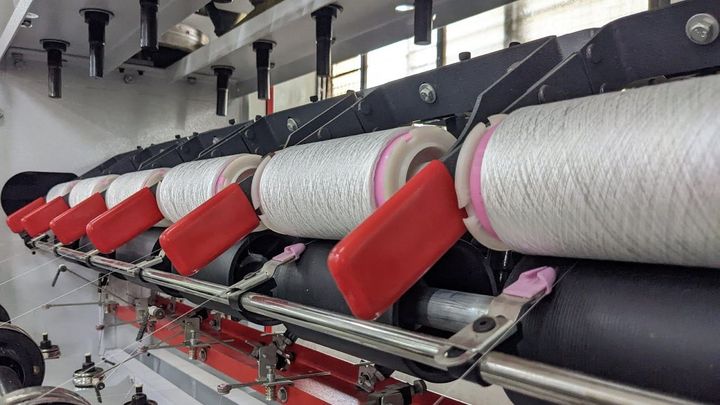
Twisting machines are textile machines used to twist fibers or yarns together to improve their strength, uniformity, and performance. Twisting is a critical step in yarn manufacturing because raw fibers or loosely spun yarns lack the durability needed for weaving, knitting, or other textile processes.
The purpose of twisting machines is to bind fibers together through controlled rotation, creating yarn that can withstand tension, abrasion, and repeated use. This process has been part of textile production for centuries, evolving from manual spinning tools to advanced mechanical and automated systems.
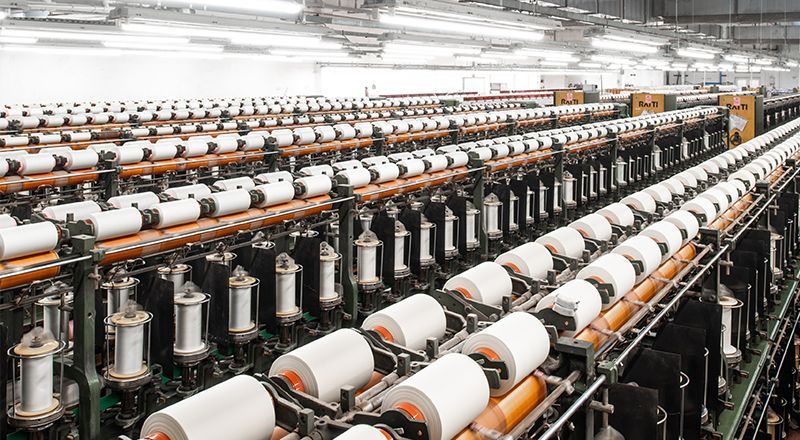
Today, twisting machines are widely used in textile mills producing cotton, wool, synthetic, and blended yarns. They support consistent yarn quality, higher production efficiency, and compatibility with modern textile manufacturing requirements.
Importance
Twisting machines matter because yarn quality directly affects the performance, appearance, and durability of finished textile products. Without proper twisting, yarns can break easily, produce uneven fabrics, or fail during downstream processing.
Why this topic matters today
Several factors have increased the importance of twisting machines in modern textile production:
-
Growing demand for high-quality and uniform textiles
-
Increased use of synthetic and blended fibers
-
Automation and efficiency requirements in textile mills
-
Higher expectations for fabric strength and consistency
Twisting machines help manufacturers meet these demands by ensuring yarns are strong, stable, and suitable for large-scale production.
Who twisting machines affect
-
Yarn and textile manufacturers
-
Fabric producers and processors
-
Apparel and home textile industries
-
Quality control and production teams
Understanding twisting machines helps stakeholders maintain yarn quality and reduce production issues.
What Yarn Twisting Means in Textile Production
Yarn twisting involves rotating fibers or strands around each other to form a cohesive structure. The amount and direction of twist influence yarn properties such as strength, elasticity, and appearance.
Key characteristics influenced by twisting
-
Tensile strength
-
Smoothness and uniformity
-
Resistance to abrasion
-
Flexibility and drape
The table below shows how twist levels affect yarn behavior.
| Twist Level | Yarn Behavior |
|---|---|
| Low twist | Soft but weaker |
| Medium twist | Balanced strength |
| High twist | Strong and compact |
Twisting machines allow precise control over these characteristics.
How Twisting Machines Work
Twisting machines apply controlled rotation to yarn or fibers while maintaining consistent tension. The process ensures even twist distribution along the yarn length.
Basic twisting process
-
Yarn is fed into the twisting machine
-
Spindles or rotors rotate the yarn
-
Controlled tension is applied
-
Twisted yarn is wound onto packages
The table below outlines main machine components.
| Component | Function |
|---|---|
| Spindles | Apply twist |
| Feed system | Supplies yarn |
| Tension device | Maintains uniform tension |
| Take-up system | Winds finished yarn |
| Control panel | Adjusts settings |
This coordinated process ensures consistent yarn output.
Types of Twisting Machines
Different twisting machines are used depending on yarn type, production scale, and end use.
Ring twisting machines
Ring twisting machines use rotating spindles and rings to twist yarn. They are commonly used for fine and medium yarns.
Two-for-one twisting machines
Two-for-one machines insert two twists per spindle rotation, increasing productivity and energy efficiency.
Direct twisting machines
Direct twisting machines twist multiple yarns together in a single step and are often used for industrial or technical yarns.
Cable twisting machines
Cable twisting machines combine several twisted yarns into a stronger cable structure.
The table below compares common machine types.
| Machine Type | Typical Application |
|---|---|
| Ring twisting | Fine yarn production |
| Two-for-one | High-speed twisting |
| Direct twisting | Multi-ply yarns |
| Cable twisting | High-strength yarns |
Selecting the right machine depends on production needs.
Role of Twisting Machines in Yarn Strength
Strength is one of the main reasons for twisting yarn.
How twisting improves strength
-
Binds fibers together tightly
-
Reduces fiber slippage
-
Distributes load evenly along yarn
The table below summarizes strength benefits.
| Aspect | Impact |
|---|---|
| Fiber cohesion | Improved |
| Break resistance | Higher |
| Durability | Enhanced |
Proper twisting reduces yarn breakage during processing.
Role of Twisting Machines in Yarn Consistency
Consistency ensures uniform fabric quality.
How twisting supports consistency
-
Maintains uniform twist per length
-
Controls tension variations
-
Reduces irregularities
Consistent yarn improves weaving and knitting performance and reduces defects.
Applications of Twisting Machines
Twisting machines are used across various textile segments.
Common application areas
-
Apparel yarn production
-
Home textiles such as bedding and curtains
-
Industrial textiles and cords
-
Carpets and upholstery
The table below shows application examples.
| Sector | Yarn Use |
|---|---|
| Apparel | Fabric production |
| Home textiles | Decorative and utility |
| Industrial | Technical strength |
| Carpets | Wear resistance |
Each application requires specific twisting parameters.
Recent Updates
Twisting machine technology has continued to evolve to meet modern textile demands.
Notable developments during 2024–2025
-
In March 2024, increased adoption of energy-efficient two-for-one twisting machines
-
In August 2024, improved automation and digital controls enhanced precision
-
By January 2025, wider use of smart monitoring systems for yarn quality
There has also been greater focus on reducing energy consumption and maintenance downtime.
Automation and Digital Control in Twisting Machines
Modern twisting machines often include automated systems.
Benefits of automation
-
Precise twist control
-
Reduced manual intervention
-
Consistent quality across batches
-
Faster changeovers
The table below highlights automation benefits.
| Feature | Benefit |
|---|---|
| Digital controls | Accuracy |
| Sensors | Quality monitoring |
| Automation | Higher efficiency |
Automation supports stable and repeatable production.
Quality Control in Twisting Operations
Quality control ensures yarn meets specifications.
Common quality checks
-
Twist level measurement
-
Yarn strength testing
-
Visual inspection for defects
Consistent monitoring helps maintain production standards.
Energy and Efficiency Considerations
Twisting machines consume energy during operation.
Efficiency factors
-
Machine design and spindle speed
-
Proper maintenance
-
Optimized production settings
The table below summarizes efficiency influences.
| Factor | Impact |
|---|---|
| Efficient motors | Lower energy use |
| Proper lubrication | Smooth operation |
| Correct settings | Reduced waste |
Efficient machines support cost control and sustainability.
Safety Considerations in Twisting Machines
Safety is essential in textile production environments.
Key safety measures
-
Protective covers on moving parts
-
Emergency stop mechanisms
-
Operator training
-
Regular machine inspection
Safe operation reduces accidents and downtime.
Laws or Policies
Twisting machines are subject to industrial safety and labor regulations.
In India
-
Factory safety regulations apply to textile machinery
-
Worker safety standards govern machine operation
-
Energy efficiency guidelines influence equipment use
General regulatory considerations
-
Compliance with machinery safety standards
-
Regular inspection and certification
-
Workplace safety documentation
These policies ensure safe and responsible machine operation.
Maintenance Practices for Twisting Machines
Regular maintenance supports performance and longevity.
Common maintenance activities
-
Cleaning spindles and guides
-
Checking tension devices
-
Lubricating moving parts
-
Inspecting electrical systems
The table below shows maintenance benefits.
| Maintenance Action | Result |
|---|---|
| Regular cleaning | Consistent quality |
| Timely repairs | Reduced downtime |
| Inspection | Safer operation |
Preventive maintenance reduces production interruptions.
Tools and Resources
Several tools and resources support twisting machine operation.
Planning and production tools
-
Twist calculation charts
-
Yarn specification templates
-
Production planning worksheets
Monitoring and maintenance resources
-
Machine performance dashboards
-
Maintenance scheduling tools
-
Quality inspection checklists
Educational resources
-
Textile engineering handbooks
-
Yarn manufacturing guides
-
Technical training programs
These resources help optimize twisting operations.
Comparing Yarn With and Without Proper Twisting
| Aspect | Poor Twisting | Proper Twisting |
|---|---|---|
| Yarn strength | Low | High |
| Uniformity | Inconsistent | Consistent |
| Processing performance | Unstable | Smooth |
| Fabric quality | Variable | Reliable |
This comparison highlights the value of controlled twisting.
FAQs
What is the main purpose of a twisting machine?
A twisting machine improves yarn strength and consistency by twisting fibers together.
Are twisting machines used for all yarn types?
They are used for natural, synthetic, and blended yarns, with settings adjusted for each type.
Does higher twist always mean better yarn?
Not always. Excessive twist can make yarn stiff, so balance is important.
Are twisting machines suitable for large-scale production?
Yes. Modern machines are designed for continuous and high-volume operation.
Do twisting machines require skilled operators?
Basic training is required to ensure correct settings, safety, and quality control.
Final Thoughts
Twisting machines play a fundamental role in producing strong and consistent yarns for modern textile applications. By controlling twist levels and tension, these machines ensure yarns meet the mechanical and quality requirements of downstream processes.
Understanding how twisting machines work, their types, applications, and regulatory considerations helps textile manufacturers maintain efficiency and quality. Rather than being a minor step, twisting is a critical process that directly influences fabric performance and durability.