Understanding Hydraulic Power Units for Controlled Force and Motion
Hydraulic power units, commonly known as HPUs, are systems designed to generate, control, and transmit hydraulic energy to perform work. They supply pressurized hydraulic fluid to machines and equipment that require controlled force and motion. Hydraulic power units exist because many industrial tasks demand high force, smooth movement, and precise control that mechanical or electrical systems alone may not provide.
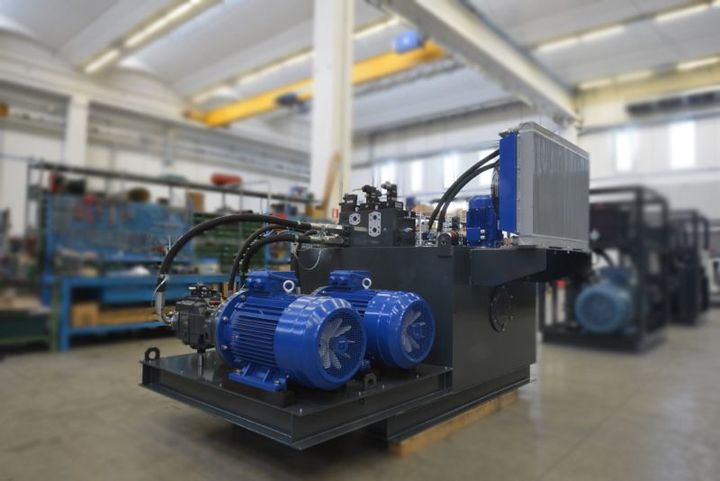
A typical hydraulic power unit consists of a motor, pump, reservoir, valves, filters, and control components assembled into a single system. When the unit operates, it converts mechanical or electrical energy into hydraulic energy by pressurizing fluid. This pressurized fluid is then delivered to actuators such as cylinders or motors, which convert it into linear or rotary motion.
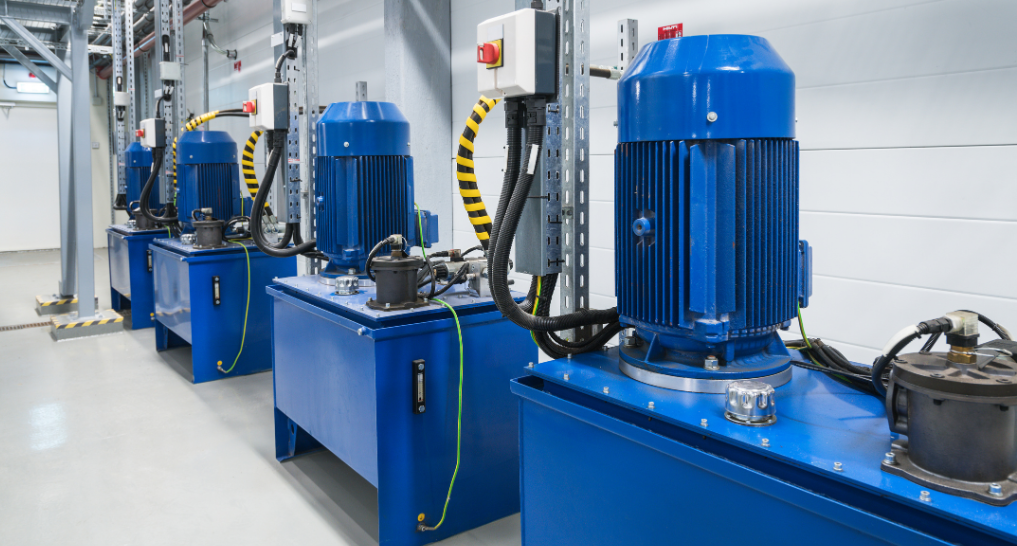
Hydraulic power units are used across industries such as manufacturing, construction, energy, marine, and material handling. Their ability to deliver consistent force and controlled motion makes them a core part of modern industrial systems.
Importance
Hydraulic power units matter because controlled force and motion are essential in many industrial and commercial applications. Tasks such as lifting heavy loads, pressing materials, or precisely positioning components require reliable and predictable power delivery.
Why this topic matters today
Several trends have increased the relevance of hydraulic power units:
-
Growth of automated and mechanized industries
-
Demand for precise motion control in manufacturing
-
Need for reliable power in heavy-duty applications
-
Focus on safety and operational stability
Hydraulic power units help address these needs by providing steady force output and accurate motion control, even under demanding conditions.
Who hydraulic power units affect
-
Industrial manufacturers and plant operators
-
Construction and infrastructure companies
-
Maintenance and engineering teams
-
Equipment designers and system integrators
Understanding hydraulic power units helps these groups operate machinery efficiently and safely.
What a Hydraulic Power Unit Does
A hydraulic power unit acts as the energy source for a hydraulic system.
Core functions of a hydraulic power unit
-
Generate hydraulic pressure
-
Store and condition hydraulic fluid
-
Control flow and direction
-
Protect the system from overload
The table below summarizes key functions.
| Function | Purpose |
|---|---|
| Pressure generation | Enable force output |
| Fluid storage | Maintain supply |
| Flow control | Regulate motion |
| Protection | Ensure safety |
By performing these functions, HPUs support consistent system performance.
How Hydraulic Power Units Work
Hydraulic power units operate by circulating hydraulic fluid under pressure.
Basic operating process
-
Motor drives the hydraulic pump
-
Pump draws fluid from the reservoir
-
Fluid is pressurized and delivered to the system
-
Valves regulate pressure and flow
-
Fluid returns to the reservoir after use
The table below outlines major components.
| Component | Role |
|---|---|
| Motor | Provides mechanical energy |
| Pump | Pressurizes fluid |
| Reservoir | Stores hydraulic fluid |
| Valves | Control pressure and flow |
| Filters | Remove contaminants |
This closed-loop process allows continuous and controlled operation.
Types of Hydraulic Power Units
Hydraulic power units are designed in various configurations based on application needs.
Compact hydraulic power units
Compact units integrate all components into a small footprint and are used where space is limited.
Industrial hydraulic power units
These are larger systems designed for continuous or heavy-duty operation in manufacturing plants.
Mobile hydraulic power units
Mobile units are used in construction equipment, vehicles, and portable machinery.
Custom hydraulic power units
Custom units are designed for specific pressure, flow, and control requirements.
The table below compares common types.
| HPU Type | Typical Use |
|---|---|
| Compact | Limited space |
| Industrial | Continuous operation |
| Mobile | Field equipment |
| Custom | Specialized systems |
Selecting the right type ensures efficient operation.
Role of Hydraulic Power Units in Force Control
Hydraulic systems are known for their ability to generate high force.
How HPUs support force control
-
Adjust pressure to control output force
-
Maintain consistent force under load
-
Handle heavy loads smoothly
The table below highlights force-related benefits.
| Aspect | Impact |
|---|---|
| Pressure control | Accurate force |
| Load handling | Stable operation |
| Output consistency | Reduced variation |
This makes hydraulic power units suitable for demanding tasks such as pressing and lifting.
Role of Hydraulic Power Units in Motion Control
Motion control refers to managing speed, direction, and position.
How HPUs enable controlled motion
-
Regulate flow rate to control speed
-
Direct fluid to manage movement direction
-
Support smooth start and stop actions
The table below shows motion-related benefits.
| Motion Aspect | Result |
|---|---|
| Speed control | Smooth operation |
| Direction control | Accurate positioning |
| Stability | Reduced shock |
Controlled motion improves precision and safety.
Applications of Hydraulic Power Units
Hydraulic power units are used in many industries.
Common application areas
-
Manufacturing and assembly lines
-
Metal forming and pressing machines
-
Construction and lifting equipment
-
Marine and offshore systems
-
Energy and utility installations
The table below shows application examples.
| Industry | Use Case |
|---|---|
| Manufacturing | Presses and automation |
| Construction | Lifting and movement |
| Marine | Steering and winches |
| Energy | Valve and actuator control |
Each application benefits from controlled force and motion.
Recent Updates
Hydraulic power unit technology has continued to evolve with efficiency and monitoring improvements.
Notable developments during 2024–2025
-
In March 2024, increased adoption of energy-efficient hydraulic pumps
-
In August 2024, wider use of condition monitoring sensors in HPUs
-
By January 2025, greater integration of hydraulic systems with digital control platforms
These updates focus on reliability, efficiency, and predictive maintenance.
Energy Efficiency Considerations
Energy efficiency is an important factor in hydraulic systems.
Factors influencing HPU efficiency
-
Pump selection and sizing
-
Pressure and flow optimization
-
Quality of hydraulic fluid
-
Maintenance practices
The table below summarizes efficiency influences.
| Factor | Effect |
|---|---|
| Proper sizing | Reduced losses |
| Efficient pumps | Lower energy use |
| Clean fluid | Smooth operation |
Efficient HPUs help reduce operating costs.
Safety Features in Hydraulic Power Units
Safety is critical in hydraulic systems due to high pressures.
Common safety features
-
Pressure relief valves
-
Temperature monitoring
-
Emergency shutdown systems
-
Protective enclosures
These features help prevent accidents and equipment damage.
Maintenance and Reliability
Regular maintenance ensures long-term performance.
Common maintenance practices
-
Checking fluid levels and quality
-
Inspecting hoses and fittings
-
Replacing filters
-
Monitoring pressure and temperature
The table below shows maintenance benefits.
| Maintenance Action | Benefit |
|---|---|
| Fluid checks | System reliability |
| Filter replacement | Reduced wear |
| Inspections | Early fault detection |
Preventive maintenance minimizes downtime.
Noise and Environmental Considerations
Hydraulic power units can generate noise and heat.
Environmental focus areas
-
Noise reduction through enclosure design
-
Proper disposal of used hydraulic fluid
-
Leak prevention and containment
Modern designs aim to reduce environmental impact.
Laws or Policies
Hydraulic power units are subject to industrial and safety regulations.
In India
-
Industrial safety standards for pressure systems
-
Machinery operation and workplace safety regulations
-
Environmental rules for fluid handling and disposal
General regulatory considerations
-
Compliance with pressure equipment standards
-
Regular inspection and certification
-
Documentation of operating conditions
These policies support safe and responsible operation.
Integration with Automation Systems
Hydraulic power units are often integrated with automated controls.
Benefits of automation integration
-
Precise control of force and motion
-
Real-time monitoring
-
Improved process repeatability
Automation enhances performance and consistency.
Tools and Resources
Several tools and resources support hydraulic power unit management.
Engineering and planning tools
-
Hydraulic power calculators
-
Flow and pressure sizing charts
-
System design templates
Monitoring and maintenance resources
-
Condition monitoring systems
-
Maintenance scheduling tools
-
Performance dashboards
Educational resources
-
Hydraulic engineering manuals
-
Industrial safety guidelines
-
Technical training programs
These resources help optimize HPU use.
Comparing Systems With and Without Hydraulic Power Units
| Aspect | Without HPU | With HPU |
|---|---|---|
| Force capability | Limited | High |
| Motion control | Inconsistent | Precise |
| Reliability | Variable | Stable |
| Safety | Higher risk | Controlled |
This comparison highlights the value of hydraulic power units.
FAQs
What is a hydraulic power unit used for?
A hydraulic power unit supplies pressurized fluid to control force and motion in hydraulic systems.
Are hydraulic power units used only in heavy industries?
No. They are also used in automation, marine systems, and commercial equipment.
Do hydraulic power units consume a lot of energy?
Energy use depends on design and operation. Efficient systems minimize losses.
How often do hydraulic power units need maintenance?
Maintenance frequency depends on usage, but regular inspection is essential.
Can hydraulic power units be customized?
Yes. Many units are designed to meet specific pressure, flow, and control needs.
Final Thoughts
Hydraulic power units are essential for delivering controlled force and motion in a wide range of industrial and commercial applications. Their ability to generate high force, provide smooth motion, and operate reliably under load makes them a preferred solution for demanding tasks.
Understanding how hydraulic power units work, their components, applications, and regulatory context helps operators and engineers design safer and more efficient systems. Rather than being standalone machines, HPUs are integral parts of larger hydraulic systems.