Wedding Photography Selection Guide to Help You Choose the Right Photographer
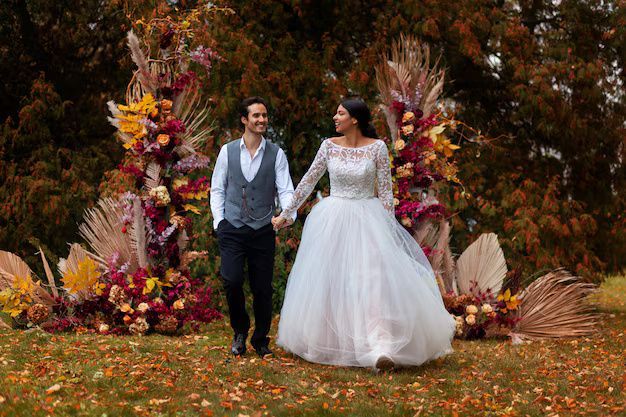
Wedding photography exists to document one of the most important personal events in many people’s lives. A wedding day often includes emotional moments, cultural traditions, family gatherings, and carefully planned details that cannot be repeated. Photography provides a long-term visual record of these moments, allowing couples and families to revisit the day long after it has passed.
Over time, wedding photography has evolved from formal posed portraits to a broader practice that includes candid moments, storytelling, and documentary-style coverage. The role of a wedding photographer is not only to take pictures but also to observe, anticipate, and capture moments as they naturally unfold. This guide exists to help couples understand how to select a photographer whose approach, skills, and working style align with their expectations and needs.
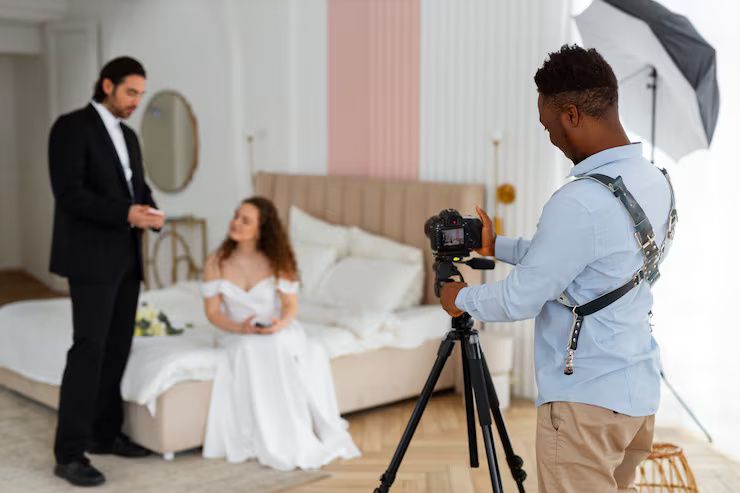
Choosing the right photographer requires thoughtful consideration rather than quick decisions, as photography quality and experience can significantly influence how the wedding day is remembered.
Importance
Selecting a wedding photographer is an important decision because photographs often become the most lasting record of the event. While decorations, outfits, and venues are temporary, photographs remain long after the wedding day.
Why this topic matters today
Modern weddings vary widely in size, format, and style. Some are traditional and large, while others are small, private, or destination-based. At the same time, digital platforms have increased the number of photographers available, making selection both easier and more complex.
This topic matters because it helps address common challenges such as:
-
Difficulty comparing photographers objectively
-
Uncertainty about photography styles and terminology
-
Concerns about reliability and professionalism
-
Misaligned expectations between couples and photographers
A clear understanding of how to evaluate photographers helps couples make informed decisions and reduces stress during the planning process.
Who this affects
-
Couples planning weddings
-
Families involved in wedding planning
-
Event coordinators and planners
-
Individuals organizing related ceremonies
A structured selection approach benefits anyone involved in making photography-related decisions.
Understanding Different Wedding Photography Styles
Wedding photographers often work in specific styles. Understanding these styles helps narrow down options.
Common photography styles
-
Documentary or candid style focusing on natural moments
-
Traditional style emphasizing posed portraits
-
Fine art style with creative composition and lighting
-
Editorial style inspired by magazine photography
-
Mixed approach combining multiple styles
The table below compares key style characteristics.
| Style | Key Focus |
|---|---|
| Documentary | Natural moments |
| Traditional | Formal portraits |
| Fine art | Artistic composition |
| Editorial | Styled storytelling |
| Mixed | Versatility |
Identifying a preferred style helps guide the selection process.
Recent Updates
Wedding photography trends have continued to change based on technology, cultural preferences, and event formats.
Notable developments during 2024–2025
-
In May 2024, there was increased adoption of candid and documentary-style photography
-
In September 2024, smaller and intimate weddings led to more flexible photography packages
-
By February 2025, greater emphasis was placed on digital delivery methods and online galleries
There has also been a growing focus on authenticity, with couples preferring natural expressions over heavily staged images. Additionally, awareness around data privacy and image usage has increased, influencing contracts and agreements.
Key Factors to Consider When Choosing a Photographer
Selecting a wedding photographer involves evaluating multiple aspects beyond visual style.
Experience and portfolio review
A photographer’s portfolio provides insight into consistency, lighting control, and storytelling ability. Reviewing full wedding galleries rather than selected highlights helps set realistic expectations.
Communication and approach
Clear communication ensures that expectations about schedules, coverage, and deliverables are aligned. A photographer’s ability to coordinate calmly during events is also important.
Availability and planning fit
Availability on the wedding date and familiarity with the venue or similar events can influence the overall experience.
The table below summarizes selection criteria.
| Factor | Why It Matters |
|---|---|
| Portfolio quality | Visual consistency |
| Experience | Event readiness |
| Communication | Expectation alignment |
| Style match | Personal preference |
| Reliability | Peace of mind |
Understanding Deliverables and Coverage
Wedding photography coverage can vary depending on the agreement.
Common coverage elements
-
Pre-ceremony preparations
-
Ceremony coverage
-
Group and family portraits
-
Reception and candid moments
-
Post-event highlights
Deliverables may include digital galleries, albums, or selected prints. Understanding timelines for delivery is also essential.
Laws or Policies
Wedding photography is subject to general business, consumer protection, and intellectual property regulations.
In India
-
Consumer Protection Act applies to service agreements
-
Copyright laws govern image ownership and usage rights
-
Contracts outline delivery terms and responsibilities
General considerations
-
Written agreements help clarify expectations
-
Permissions may be required for public venue photography
-
Usage rights should be clearly defined
Awareness of these policies helps prevent misunderstandings after the event.
Managing Expectations and Collaboration
A successful photography experience depends on collaboration between the couple and the photographer.
Helpful practices include:
-
Sharing a realistic schedule
-
Communicating important moments in advance
-
Allowing flexibility for natural events
-
Trusting professional judgment during the day
Clear communication before the wedding supports smoother execution.
Tools and Resources
Several tools and resources can help during the selection and planning process.
Planning and organization tools
-
Wedding photography checklists
-
Shot list templates
-
Event timeline planners
Research and comparison resources
-
Portfolio websites
-
Online reviews and testimonials
-
Photography style guides
Communication and documentation tools
-
Contract templates
-
Email planning worksheets
-
Digital file storage platforms
These resources help structure decisions and documentation without promoting specific providers.
Comparing Photographers Effectively
The table below shows a simple comparison framework.
| Comparison Area | What to Review |
|---|---|
| Style | Matches preferences |
| Experience | Similar events covered |
| Communication | Clarity and responsiveness |
| Deliverables | Format and timeline |
| Terms | Clear and documented |
Using a comparison framework helps maintain objectivity.
FAQs
How early should a wedding photographer be booked?
Booking timelines vary, but many couples begin discussions several months in advance to ensure availability and planning alignment.
Is it necessary to meet the photographer before booking?
Meeting or speaking with the photographer helps assess communication style and comfort level, which can be important on the wedding day.
How many photos are typically delivered?
The number varies depending on coverage duration and shooting style. This should be discussed and documented in advance.
Who owns the wedding photographs?
Ownership and usage rights depend on the agreement. Contracts usually specify whether couples receive personal usage rights.
Can couples request specific shots?
Yes. Sharing priorities or key moments in advance helps photographers plan coverage more effectively.
Final Thoughts
Choosing the right wedding photographer is a thoughtful process that combines visual preference, communication, and practical considerations. Photography plays a lasting role in preserving memories, making it important to select someone whose approach aligns with the couple’s expectations.
By understanding photography styles, reviewing portfolios carefully, and clarifying terms in advance, couples can make informed decisions with confidence. A clear selection process supports smoother collaboration and helps ensure that wedding memories are documented in a meaningful and respectful way.