Discover How Heat Exchangers Improve Energy Efficiency in Industrial Systems
In many industrial environments, managing heat is an important part of daily operations. Manufacturing plants, chemical processing facilities, power generation stations, food processing units, and HVAC systems all depend on effective temperature control to maintain smooth performance. One of the most important technologies used for this purpose is the Heat Exchanger.
Heat exchangers help transfer thermal energy from one fluid to another without allowing the fluids to mix directly. This simple yet highly effective process supports energy conservation, temperature regulation, and improved operational efficiency across many industries.
Whether you are a student, facility manager, business owner, or simply interested in industrial technology, understanding how heat exchangers work can provide valuable insight into modern industrial systems. This guide explores the basics, types, applications, benefits, and future developments of heat exchangers.
What Are Heat Exchangers?
A Heat Exchanger is a device designed to transfer heat between two or more fluids. These fluids may be liquids, gases, or a combination of both. The primary purpose is to move heat from a hotter fluid to a cooler one while keeping them physically separated.
For example, in a manufacturing plant, a hot liquid generated during production may transfer its heat to a cooler fluid. This process helps regulate temperatures while making use of energy that might otherwise be wasted.
Heat exchangers are widely used because they improve energy utilization and support stable operating conditions.
Why Heat Exchangers Are Important
Heat management is essential in many industrial processes. Excessive heat can affect equipment performance, product quality, and operational reliability.
Heat exchangers help by:
Recovering useful thermal energy
Controlling operating temperatures
Reducing energy consumption
Supporting equipment longevity
Improving overall process efficiency
Without effective heat transfer systems, many industrial processes would require significantly more energy to operate.
How Heat Exchangers Work
The operating principle of a heat exchanger is straightforward.
A hot fluid flows through one section of the equipment while a cooler fluid flows through another. Thermal energy naturally moves from the hotter fluid to the cooler fluid through a metal surface or barrier.
The fluids remain separate while heat passes between them.
The efficiency of heat transfer depends on factors such as:
Temperature difference
Flow rate
Surface area
Material conductivity
Equipment design
Engineers carefully select heat exchanger designs based on the specific needs of each application.
Common Types of Heat Exchangers
Different industries require different heat transfer solutions. Several heat exchanger designs are commonly used.
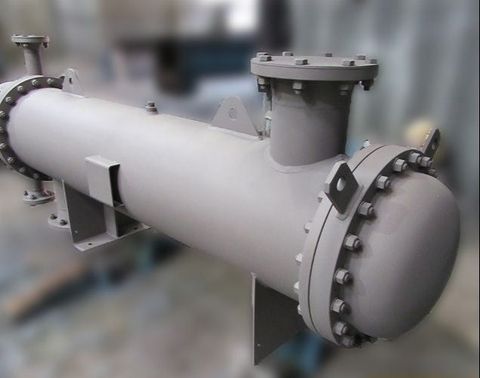
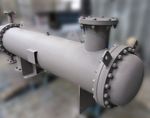
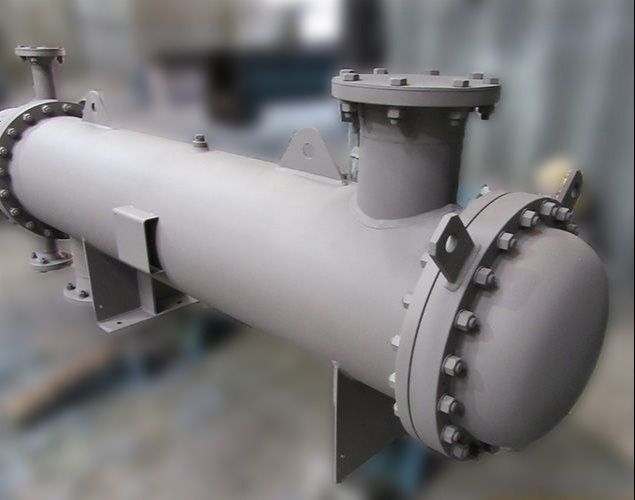
Shell and Tube Heat Exchangers
Shell and tube units are among the most widely used designs.
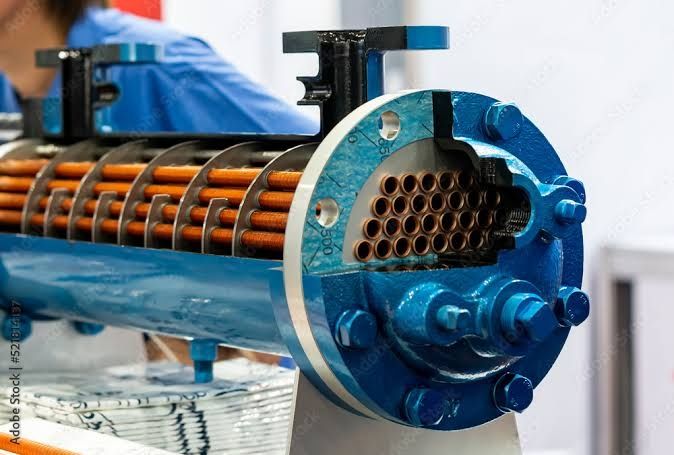
They consist of:
A large outer shell
Multiple internal tubes
Separate fluid pathways
One fluid flows through the tubes while another flows around the tubes inside the shell.
These systems are frequently used in:
Chemical processing
Petroleum facilities
Power plants
Industrial manufacturing
Plate Heat Exchangers
Plate heat exchangers use thin metal plates arranged closely together.
The design creates a large surface area for heat transfer, making them efficient and compact.
Applications include:
Food processing
Beverage production
HVAC systems
Pharmaceutical facilities
Air-Cooled Heat Exchangers
These systems use ambient air to cool process fluids.
Large fans move air across heat transfer surfaces to remove thermal energy.
Common applications include:
Power generation
Petrochemical facilities
Outdoor industrial installations
Double Pipe Heat Exchangers
Double pipe systems use one pipe placed inside another.
Hot and cold fluids flow through separate channels.
These systems are often suitable for smaller industrial applications and pilot projects.
Key Components of Heat Exchangers
Although designs vary, most heat exchangers contain several important components.
Heat Transfer Surface
This area allows thermal energy to move from one fluid to another.
Fluid Channels
Separate pathways ensure fluids remain isolated while heat transfer occurs.
Inlet and Outlet Connections
These allow fluids to enter and exit the system.
Support Structures
Frames, shells, and housings help maintain system stability during operation.
Each component contributes to efficient and reliable performance.
Industrial Applications of Heat Exchangers
Heat exchangers play a vital role in numerous industries.
Manufacturing
Manufacturing facilities use heat exchangers to regulate production temperatures and improve energy management.
Chemical Processing
Chemical plants often involve temperature-sensitive reactions that require precise thermal control.
Food and Beverage Production
Temperature regulation is essential for maintaining product quality and consistency.
Power Generation
Power plants use heat exchangers extensively for steam production, cooling processes, and energy recovery.
HVAC Systems
Commercial buildings rely on heat exchangers for heating, cooling, and ventilation systems.
Marine Applications
Ships use heat exchangers to regulate engine temperatures and cooling systems.
These diverse applications demonstrate the importance of heat transfer technology in modern infrastructure.
How Heat Exchangers Improve Energy Efficiency
One of the biggest advantages of heat exchangers is their ability to improve energy efficiency.
Heat Recovery
Many industrial processes generate excess heat.
Instead of allowing this energy to escape, heat exchangers capture and reuse it elsewhere in the system.
Reduced Energy Demand
Recovered heat can reduce the amount of additional energy needed for heating operations.
Improved Process Stability
Consistent temperature control helps equipment operate more efficiently.
Lower Environmental Impact
Using energy more effectively can reduce fuel consumption and support sustainability goals.
Energy recovery remains one of the primary reasons industries invest in heat exchanger technology.
Factors That Influence Performance
Several variables affect heat exchanger efficiency.
Temperature Difference
Greater temperature differences generally improve heat transfer rates.
Fluid Velocity
Proper flow speeds help maximize thermal exchange.
Surface Area
Larger heat transfer surfaces typically increase efficiency.
Material Selection
Metals with high thermal conductivity improve heat movement.
Maintenance Condition
Clean surfaces allow heat to transfer more effectively.
Understanding these factors helps organizations maintain efficient operations.
Maintenance and Operational Considerations
Like any industrial equipment, heat exchangers require regular attention.
Important maintenance activities include:
Inspecting for leaks
Monitoring pressure levels
Cleaning heat transfer surfaces
Checking fluid flow rates
Examining seals and connections
Over time, deposits can build up on heat transfer surfaces. This condition, often called fouling, can reduce efficiency.
Routine inspections help identify potential issues before they affect performance.
Proper maintenance supports consistent operation and extends equipment lifespan.
Emerging Trends in Heat Exchanger Technology
Industrial technology continues to evolve, and heat exchanger designs are becoming more advanced.
Compact Designs
Modern facilities often seek space-efficient equipment that delivers strong thermal performance.
Smart Monitoring Systems
Digital sensors and monitoring tools provide real-time performance information.
Advanced Materials
New materials improve durability, corrosion resistance, and heat transfer capabilities.
Sustainability Initiatives
Many industries focus on reducing energy consumption and improving resource efficiency.
Heat exchanger technology plays a significant role in achieving these objectives.
As industries continue modernizing, heat transfer systems are expected to become even more efficient and adaptable.
Choosing the Right Heat Exchanger
Selecting an appropriate heat exchanger depends on several factors.
Organizations often evaluate:
Operating temperatures
Fluid characteristics
Pressure requirements
Available installation space
Maintenance needs
Energy efficiency goals
Careful planning helps ensure the selected equipment matches operational requirements.
A properly matched heat exchanger can contribute significantly to overall system performance.
Conclusion
Heat Exchangers are essential components in modern industrial systems. By transferring thermal energy efficiently between fluids, they support temperature control, energy recovery, and improved operational performance. From manufacturing facilities and power plants to food processing operations and HVAC systems, heat exchangers play a critical role in maintaining efficient and reliable processes.
As industries continue seeking greater efficiency and sustainability, the importance of heat exchanger technology is expected to grow. Understanding how these systems work helps organizations make informed decisions about energy management and process optimization, supporting long-term operational success.