Discover How Hot Air Blowers Support Efficient Heating and Drying Applications
Hot air plays an important role in many industrial, commercial, and manufacturing processes. From drying materials and removing moisture to supporting packaging and production activities, controlled heat is often essential for achieving consistent results.
One of the most commonly used pieces of equipment for these tasks is the Hot Air Blower.
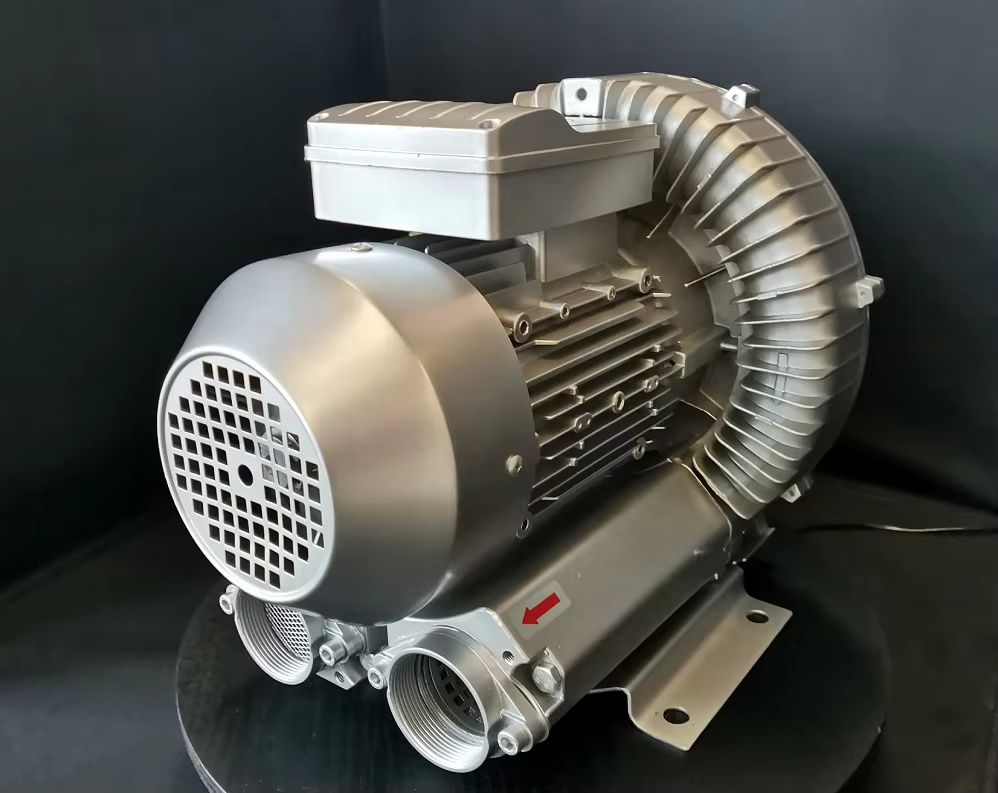
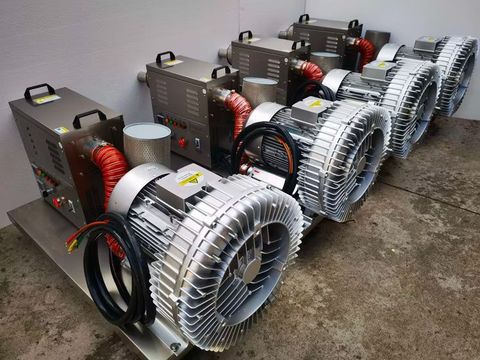
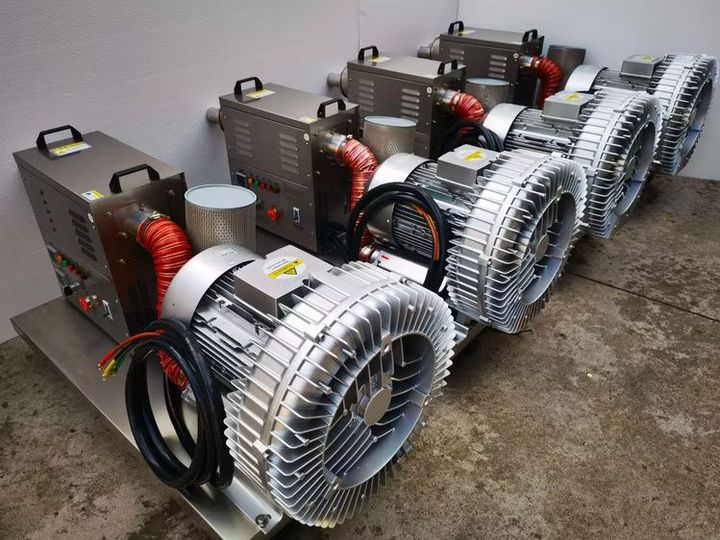
A Hot Air Blower is designed to generate and direct heated air toward a specific area or process. These machines are used across various industries because they provide a reliable way to deliver controlled temperatures for heating, drying, curing, shrinking, and other applications.
Understanding how Hot Air Blowers work, where they are used, and the factors that influence their performance can help businesses and operators make informed decisions when selecting heating equipment. This guide explores the components, applications, benefits, and important considerations related to Hot Air Blowers.
What Are Hot Air Blowers?
Hot Air Blowers are devices that generate a stream of heated air and direct it toward a targeted location. They combine a heating element with a fan or blower mechanism to create continuous airflow at controlled temperatures.
The heated air can be used for:
Drying surfaces
Removing moisture
Heating materials
Supporting manufacturing processes
Assisting packaging operations
Curing coatings and adhesives
Because they can deliver heat precisely where it is needed, Hot Air Blowers are widely used in both small-scale and large-scale applications.
How Hot Air Blowers Work
The operating principle of a Hot Air Blower is relatively straightforward.
Air Intake
The system draws in surrounding air through an intake section.
Heating Process
The incoming air passes through heating elements that raise its temperature.
Airflow Generation
A blower or fan pushes the heated air through the machine.
Directed Output
The heated airflow exits through a nozzle or outlet and reaches the target area.
Temperature and airflow settings can often be adjusted depending on the application requirements.
This simple yet effective process allows Hot Air Blowers to perform a wide range of heating tasks.
Main Components of Hot Air Blowers
Several key components work together to produce heated airflow.
Heating Element
The heating element generates the thermal energy required to raise air temperature.
Blower Motor
The motor powers the fan or blower that moves air through the system.
Fan Assembly
The fan creates airflow and helps distribute heat evenly.
Temperature Controller
This component regulates heating levels and maintains desired temperatures.
Housing Structure
The housing protects internal components and supports safe operation.
Air Outlet
The outlet directs heated air toward the application area.
Each component contributes to overall performance and operational efficiency.
Common Applications of Hot Air Blowers
Hot Air Blowers are used in numerous industries and processes.
Packaging Operations
Hot air is often used for:
Shrink wrapping
Label application
Film sealing
Packaging preparation
Manufacturing Processes
Many manufacturing facilities use heated airflow for production-related tasks.
Surface Drying
Hot Air Blowers help remove moisture from materials and finished products.
Printing Industry
Printing operations may use heated air for ink drying and finishing processes.
Textile Processing
Textile manufacturers use controlled heat during various stages of fabric treatment.
Electronics Manufacturing
Some electronic production environments use hot air for component processing and assembly procedures.
These applications demonstrate the versatility of Hot Air Blowers across industries.
Importance of Temperature Control
Temperature control is one of the most important aspects of Hot Air Blower performance.
Different materials require different heating conditions.
For example:
Plastics may require moderate temperatures.
Industrial coatings may require higher temperatures.
Sensitive materials may require precise heat regulation.
Accurate temperature control helps:
Prevent overheating
Improve process consistency
Protect materials
Support product quality
Modern systems often include digital controls for greater precision.
Benefits of Using Hot Air Blowers
Hot Air Blowers provide several operational advantages.
Consistent Heating
They deliver steady airflow and stable temperatures throughout a process.
Faster Drying
Heated airflow can accelerate moisture removal and drying activities.
Process Efficiency
Controlled heating can help improve production workflows.
Versatile Applications
The same equipment may support multiple industrial functions.
Controlled Heat Distribution
Hot air can be directed precisely where it is needed.
These advantages make Hot Air Blowers valuable in a wide variety of environments.
Factors That Affect Performance
Several factors influence the effectiveness of a Hot Air Blower.
Airflow Volume
Higher airflow levels may improve heating and drying performance in certain applications.
Temperature Range
The required temperature depends on the material and process.
Distance from Target
The placement of the blower affects heat transfer efficiency.
Environmental Conditions
Humidity and surrounding temperatures can influence results.
Equipment Maintenance
Regular maintenance helps maintain reliable performance.
Understanding these factors can support more effective equipment operation.
Energy Efficiency Considerations
Energy efficiency is an important consideration in industrial heating systems.
Modern Hot Air Blowers often incorporate features designed to improve efficiency.
These may include:
Adjustable temperature controls
Variable airflow settings
Insulated heating chambers
Optimized airflow designs
Efficient heat management can help reduce energy consumption while maintaining desired performance levels.
Safety Features in Hot Air Blowers
Because Hot Air Blowers operate at elevated temperatures, safety mechanisms are important.
Common safety features include:
Overheat Protection
The system automatically limits excessive temperature levels.
Thermal Cut-Off Systems
These features help prevent equipment damage.
Protective Housing
Housing structures reduce contact with heated components.
Controlled Airflow Monitoring
Airflow monitoring helps maintain stable operating conditions.
Proper safety practices contribute to reliable and secure operation.
Maintenance Requirements
Routine maintenance supports long-term performance.
Important maintenance activities include:
Cleaning Air Filters
Clean filters help maintain proper airflow.
Inspecting Heating Elements
Regular inspections help identify wear or damage.
Checking Electrical Components
Electrical connections should remain secure and functional.
Monitoring Fan Performance
The fan should operate smoothly without unusual vibration or noise.
Reviewing Temperature Controls
Controllers should maintain accurate temperature readings.
Preventive maintenance helps reduce unexpected downtime.
Choosing the Right Hot Air Blower
Several factors should be evaluated when selecting a Hot Air Blower.
Temperature Requirements
Determine the heating range needed for the application.
Airflow Capacity
Consider how much heated air is required.
Application Environment
Industrial environments may require specialized equipment designs.
Control Features
Advanced controls may improve process accuracy.
Maintenance Accessibility
Easy maintenance can support long-term operational efficiency.
Careful evaluation helps ensure that equipment aligns with operational requirements.
Future Trends in Hot Air Blower Technology
Heating technology continues evolving to meet changing industrial needs.
Emerging developments include:
Smart Temperature Monitoring
Digital systems provide more accurate temperature management.
Automation Integration
Hot Air Blowers increasingly integrate with automated production systems.
Improved Energy Management
New designs focus on reducing energy consumption.
Advanced Control Interfaces
Modern interfaces provide easier operation and monitoring.
Enhanced Process Monitoring
Real-time performance tracking supports improved operational visibility.
These advancements continue improving heating system performance and usability.
Conclusion
Hot Air Blowers are widely used heating devices that support drying, curing, packaging, manufacturing, and many other industrial processes. By generating controlled streams of heated air, these systems help improve operational efficiency while maintaining process consistency.
Understanding how Hot Air Blowers work, their key components, common applications, and performance factors can help organizations select suitable equipment for their needs. As technology continues advancing, modern Hot Air Blowers are becoming increasingly efficient, precise, and adaptable to a wide range of industrial requirements.