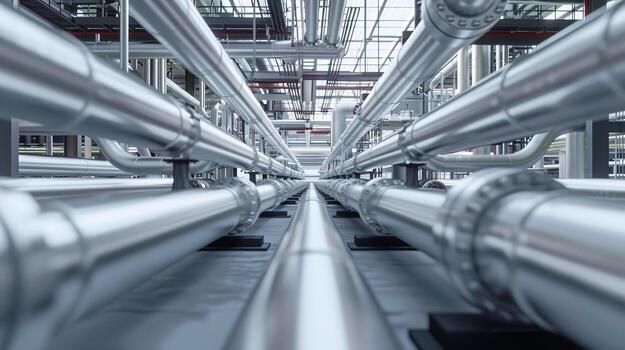
Discover How Industrial Piping Systems Support Efficient Operations
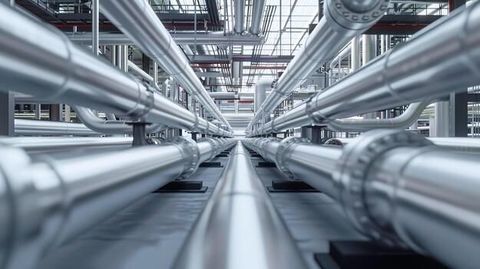
Industrial facilities rely on many interconnected components to maintain smooth and efficient operations. Among these components, Industrial Piping Systems play a vital role in transporting liquids, gases, steam, chemicals, and other materials throughout a facility.
Whether in manufacturing plants, power generation facilities, food processing units, water treatment plants, or oil and gas operations, piping systems form the backbone of many industrial processes.
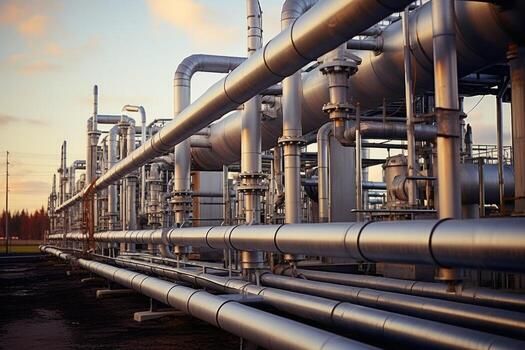
Although pipes may appear simple from the outside, modern industrial piping networks are carefully designed to handle specific materials, temperatures, pressures, and operating conditions. A properly planned system helps maintain operational efficiency, supports safety objectives, and contributes to reliable production processes.
Understanding how Industrial Piping Systems work can help business owners, facility managers, engineers, and industry professionals make informed decisions about infrastructure planning and maintenance.
What Are Industrial Piping Systems?
Industrial Piping Systems are networks of pipes, valves, fittings, supports, and related components designed to transport materials from one location to another within an industrial environment.
These systems can carry:
Water
Steam
Compressed air
Natural gas
Industrial gases
Chemicals
Oils
Process fluids
Wastewater
Unlike standard plumbing systems used in homes and offices, industrial piping networks often operate under demanding conditions involving high pressure, extreme temperatures, or corrosive substances.
Each system is designed according to operational requirements and industry standards.
Why Industrial Piping Systems Matter
Industrial operations depend on the continuous movement of materials. Without effective piping infrastructure, production processes may experience interruptions, inefficiencies, or safety concerns.
Supporting Continuous Operations
Many manufacturing and processing activities require a constant flow of fluids or gases. Piping systems make this possible by transporting materials between equipment and production stages.
Improving Process Efficiency
Well-designed piping layouts help reduce flow restrictions and maintain consistent material movement throughout a facility.
Supporting Workplace Safety
Properly designed systems help contain potentially hazardous materials and support safe handling procedures.
Enabling Process Control
Industrial facilities often require precise control of flow rates, temperatures, and pressures. Piping systems work together with valves and monitoring equipment to achieve these objectives.
Main Components of Industrial Piping Systems
An industrial piping network consists of several interconnected elements.
Pipes
Pipes form the primary pathways through which materials travel.
Common pipe materials include:
Carbon steel
Stainless steel
Copper
PVC
CPVC
HDPE
Alloy metals
The material selection depends on the type of fluid being transported and environmental conditions.
Valves
Valves regulate flow throughout the system.
Common valve types include:
Ball valves
Gate valves
Butterfly valves
Globe valves
Check valves
Valves allow operators to start, stop, or redirect fluid movement when necessary.
Fittings
Fittings connect different pipe sections and allow directional changes.
Examples include:
Elbows
Tees
Couplings
Reducers
Flanges
These components help create flexible and functional piping layouts.
Supports and Hangers
Pipe supports keep the system stable and help manage weight, vibration, and thermal expansion.
Instruments
Monitoring devices provide information about:
Pressure
Temperature
Flow rate
Fluid levels
These measurements help operators maintain safe and efficient conditions.
Types of Industrial Piping Systems
Different industries use various piping configurations depending on operational requirements.
Process Piping
Process piping transports materials directly involved in manufacturing or production activities.
Examples include:
Chemical processing
Food production
Pharmaceutical manufacturing
Utility Piping
Utility systems support facility operations rather than direct production.
Examples include:
Cooling water systems
Compressed air systems
Steam distribution networks
Fire Protection Piping
These systems support emergency response measures by distributing water throughout a facility.
Wastewater Piping
Wastewater systems transport used liquids for treatment or disposal.
Gas Distribution Piping
Gas piping networks move industrial gases used in production, heating, or processing activities.
Common Materials Used in Industrial Piping Systems
Material selection significantly influences system performance and longevity.
Carbon Steel
Carbon steel is commonly used due to its strength and ability to handle demanding conditions.
Applications include:
Steam systems
Industrial gases
Water distribution
Stainless Steel
Stainless steel provides excellent corrosion resistance.
Industries frequently using stainless steel include:
Food processing
Pharmaceuticals
Chemical manufacturing
PVC and CPVC
Plastic piping materials are often used for chemical handling and water systems.
Advantages include:
Corrosion resistance
Lightweight construction
Simplified installation
HDPE
High-density polyethylene is commonly used for underground pipelines and water transport applications.
Industries That Depend on Industrial Piping Systems
Many sectors rely heavily on piping infrastructure.
Manufacturing Facilities
Production plants use piping networks to move raw materials and process fluids.
Oil and Gas Operations
Pipelines transport fuels, gases, and processing materials throughout facilities.
Chemical Processing Plants
Chemical facilities depend on specialized piping systems capable of handling various substances safely.
Food and Beverage Production
Processing facilities use hygienic piping systems designed to maintain product quality.
Water Treatment Plants
Water treatment operations rely on extensive piping networks to move water through different treatment stages.
Power Generation Facilities
Power plants utilize steam, cooling water, and fuel transport systems to support energy production.
How Industrial Piping Systems Improve Efficiency
Efficiency is a major goal in industrial environments.
Consistent Material Flow
Reliable piping systems maintain continuous movement of liquids and gases.
Reduced Downtime
Properly designed systems help minimize interruptions caused by equipment issues or flow restrictions.
Better Resource Management
Efficient fluid transport reduces waste and supports operational performance.
Enhanced Automation
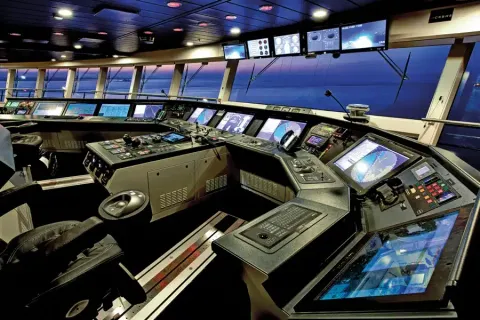
Modern facilities integrate piping systems with automated monitoring and control technologies.
Automation helps operators respond quickly to changing conditions.
Maintenance and Inspection Practices
Regular maintenance plays an important role in keeping Industrial Piping Systems operating effectively.
Routine Inspections
Visual inspections help identify:
Leaks
Corrosion
Wear
Structural concerns
Pressure Testing
Pressure testing verifies that piping components can safely withstand operating conditions.
Cleaning Procedures
Certain systems require periodic cleaning to remove deposits and maintain proper flow.
Monitoring Equipment
Sensors and monitoring tools help detect issues before they become larger operational concerns.
Preventive maintenance can help extend system life and improve reliability.
Safety Considerations in Industrial Piping Systems
Safety remains a major priority in industrial operations.
Proper Material Selection
Choosing suitable materials helps ensure compatibility with transported substances.
Pressure Management
Systems must be designed to handle expected operating pressures safely.
Leak Prevention
Routine inspections and maintenance help reduce the likelihood of leaks.
Emergency Shutdown Measures
Many facilities include emergency isolation valves that allow operators to respond quickly during unusual situations.
Compliance with Standards
Industrial piping systems are often designed according to recognized engineering codes and industry guidelines.
Emerging Trends in Industrial Piping Technology
Technology continues to influence industrial infrastructure development.
Smart Monitoring Systems
Advanced sensors provide real-time information about system performance.
Predictive Maintenance
Data analysis helps identify potential issues before failures occur.
Improved Materials
New materials continue to improve durability, corrosion resistance, and operational performance.
Digital Integration
Many facilities now integrate piping systems with broader industrial management platforms for enhanced visibility and control.
These developments help organizations improve efficiency while supporting safe operations.
Conclusion
Industrial Piping Systems are essential components of modern industrial facilities. They transport liquids, gases, steam, chemicals, and other materials that support daily operations across multiple industries. From manufacturing plants and power stations to water treatment facilities and chemical processing operations, piping networks play a crucial role in maintaining productivity and operational stability.
A well-designed system includes carefully selected materials, reliable components, effective monitoring tools, and ongoing maintenance practices. As technology continues to advance, Industrial Piping Systems are becoming smarter, more efficient, and easier to manage.
Understanding their role and functionality helps organizations maintain dependable operations while supporting safety, efficiency, and long-term performance.