Everything You Need to Know About Chemical Dosing Systems
Chemical treatment plays an important role in many industries, from water treatment and manufacturing to food processing and energy production.
In these environments, adding the right amount of chemicals at the right time is essential for maintaining efficiency, product quality, safety, and process stability. This is where Chemical Dosing Systems become valuable.
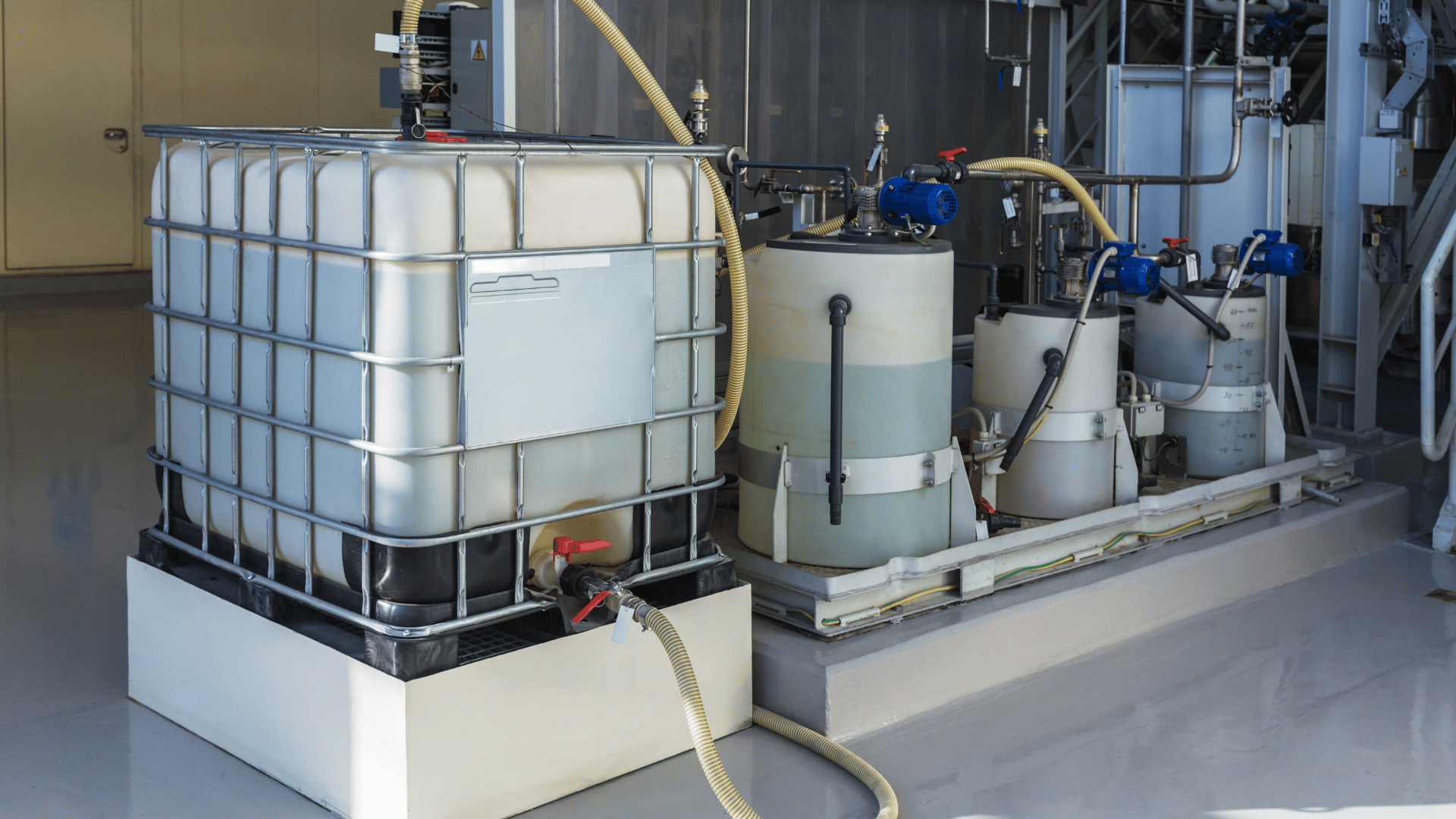
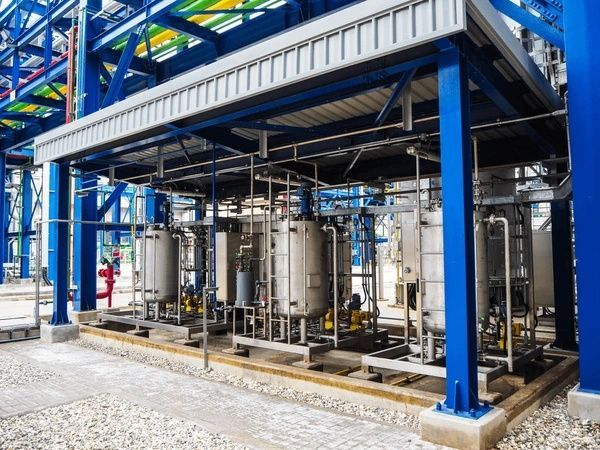
A Chemical Dosing System is designed to accurately introduce chemicals into a process, water stream, or production line. These systems help ensure that chemicals are delivered in controlled quantities, reducing the risk of overuse or underuse. Whether the goal is water purification, pH adjustment, disinfection, or process optimization, precise dosing can significantly improve operational outcomes.
This guide explores Chemical Dosing Systems, how they work, their key components, common applications, benefits, maintenance practices, and emerging trends.
What Are Chemical Dosing Systems?
Chemical Dosing Systems are engineered setups that measure, control, and inject specific quantities of chemicals into a process. The purpose is to maintain consistent chemical concentrations and support desired process conditions.
These systems are commonly used for:
Water treatment
Wastewater management
Cooling towers
Boilers
Food processing
Chemical manufacturing
Agriculture
Power generation
The amount of chemical introduced depends on the application, process requirements, and operating conditions.
By automating chemical addition, organizations can improve consistency and reduce manual intervention.
Why Chemical Dosing Systems Are Important
Many industrial and municipal processes rely on precise chemical control.
Without proper dosing, processes may experience:
Reduced efficiency
Product quality variations
Equipment damage
Environmental concerns
Safety risks
Chemical Dosing Systems help maintain stable operating conditions while supporting compliance with operational standards and process requirements.
Accurate chemical delivery can also help optimize resource usage and improve overall system performance.
How Chemical Dosing Systems Work
The operation of a Chemical Dosing System follows a straightforward principle.
First, chemicals are stored in a designated tank or container. The dosing equipment then transfers a controlled quantity of the chemical into the target process.
The process typically includes:
Chemical storage
Measurement of dosing requirements
Controlled injection
Monitoring and adjustment
Some systems operate continuously, while others dose chemicals based on sensor readings or specific operational triggers.
Advanced systems may automatically adjust dosing levels according to changing process conditions.
Key Components of Chemical Dosing Systems
Several components work together to ensure accurate dosing.
Chemical Storage Tank
The storage tank holds the chemical before it is introduced into the system.
Tank materials are selected based on chemical compatibility and operating conditions.
Dosing Pump
The dosing pump is one of the most important components.
It controls the amount of chemical delivered to the process.
Common pump types include:
Diaphragm pumps
Peristaltic pumps
Piston pumps
Solenoid-driven pumps
Each type is designed for specific applications and dosing requirements.
Injection Point
The injection point is where the chemical enters the process stream.
Proper placement helps ensure effective mixing and distribution.
Sensors and Instruments
Many systems use sensors to monitor conditions such as:
pH levels
Flow rates
Conductivity
Chlorine concentration
Chemical concentration
These measurements help maintain accurate dosing.
Control Panel
The control panel manages system operation.
Modern systems often include digital interfaces that allow operators to monitor and adjust dosing parameters.
Types of Chemical Dosing Systems
Different industries require different dosing approaches.
Manual Dosing Systems
Manual systems require operators to control chemical addition directly.
These systems are generally used in smaller operations or applications with limited dosing requirements.
Automated Dosing Systems
Automated systems use pumps, sensors, and controllers to regulate chemical injection.
They improve consistency and reduce the need for continuous operator involvement.
Proportional Dosing Systems
These systems inject chemicals based on flow rates.
As process flow changes, dosing levels automatically adjust to maintain desired concentrations.
Sensor-Controlled Systems
Sensor-controlled systems continuously monitor process conditions and make dosing adjustments in real time.
This approach supports precise chemical management.
Common Applications of Chemical Dosing Systems
Chemical Dosing Systems are used across many industries.
Water Treatment
Water treatment facilities use dosing systems for:
Disinfection
pH adjustment
Coagulation
Flocculation
Corrosion control
Accurate dosing helps maintain water quality and treatment efficiency.
Wastewater Treatment
Chemical dosing supports pollutant removal and process optimization in wastewater treatment facilities.
Cooling Towers
Cooling systems require chemical treatment to control scaling, corrosion, and biological growth.
Boiler Systems
Boilers use dosing systems to maintain water quality and protect equipment.
Food and Beverage Processing
Chemical control supports sanitation and process consistency.
Agriculture
Agricultural applications may use dosing systems for nutrient delivery and water treatment.
Manufacturing Facilities
Various manufacturing processes rely on precise chemical management to maintain product quality and process performance.
Benefits of Chemical Dosing Systems
Organizations use Chemical Dosing Systems for several reasons.
Improved Accuracy
Automated dosing reduces variability and supports consistent chemical concentrations.
Enhanced Efficiency
Precise chemical management helps optimize process performance.
Reduced Waste
Accurate dosing minimizes unnecessary chemical usage.
Better Equipment Protection
Maintaining proper chemical levels can help reduce corrosion, scaling, and equipment wear.
Increased Safety
Automated systems reduce direct handling of chemicals by personnel.
Consistent Process Control
Stable chemical levels support reliable operational outcomes.
These benefits make dosing systems important tools in many industrial environments.
Factors to Consider When Selecting a Chemical Dosing System
Several considerations influence system selection.
Chemical Properties
The characteristics of the chemical affect equipment design and material selection.
Dosing Requirements
Required dosing volume and accuracy must align with process needs.
Environmental Conditions
Temperature, humidity, and operating conditions can influence system performance.
Automation Needs
Some applications benefit from advanced control and monitoring capabilities.
Maintenance Requirements
Ease of maintenance can impact long-term operational efficiency.
Evaluating these factors helps ensure appropriate system performance.
Maintenance of Chemical Dosing Systems
Routine maintenance is important for reliable operation.
Common maintenance activities include:
Inspecting pumps
Checking tubing and fittings
Cleaning tanks
Calibrating sensors
Testing controls
Monitoring injection performance
Regular inspections help identify issues before they affect process performance.
Preventive maintenance can also contribute to longer equipment life.
Emerging Trends in Chemical Dosing Systems
Technology continues to improve dosing system capabilities.
Smart Monitoring
Modern systems increasingly use digital monitoring tools that provide real-time operational data.
Remote Access
Operators can monitor and manage dosing equipment from remote locations.
Data Analytics
Performance data helps identify trends and support process optimization.
Integrated Automation
Dosing systems are becoming more closely integrated with plant-wide control systems.
Sustainability Initiatives
Organizations are focusing on reducing chemical waste and improving resource efficiency through advanced dosing technologies.
These developments continue to enhance operational performance and process control.
Conclusion
Chemical Dosing Systems are essential tools for industries that rely on accurate chemical management. By delivering precise quantities of chemicals into various processes, these systems support efficiency, safety, equipment protection, and consistent operational performance.
From water treatment facilities and cooling towers to manufacturing plants and agricultural operations, Chemical Dosing Systems help maintain process stability and improve overall outcomes. As automation, monitoring technology, and digital controls continue to advance, these systems are expected to play an even greater role in supporting modern industrial operations.