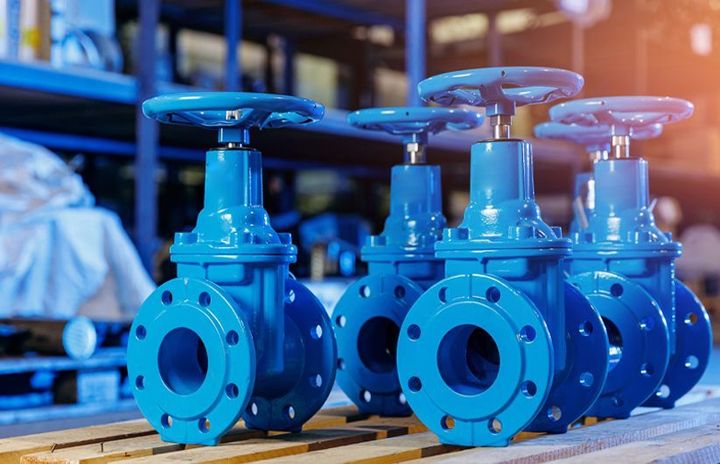
Industrial Valves Guide: Essential Knowledge for Modern Industrial Operations
Industrial facilities rely on countless components working together to keep operations running smoothly. Among these components, Industrial Valves play a critical role in controlling the movement of liquids, gases, steam, and other materials throughout piping systems.
Although valves may appear to be simple mechanical devices, they are essential for maintaining safety, efficiency, and reliability in a wide range of industries.
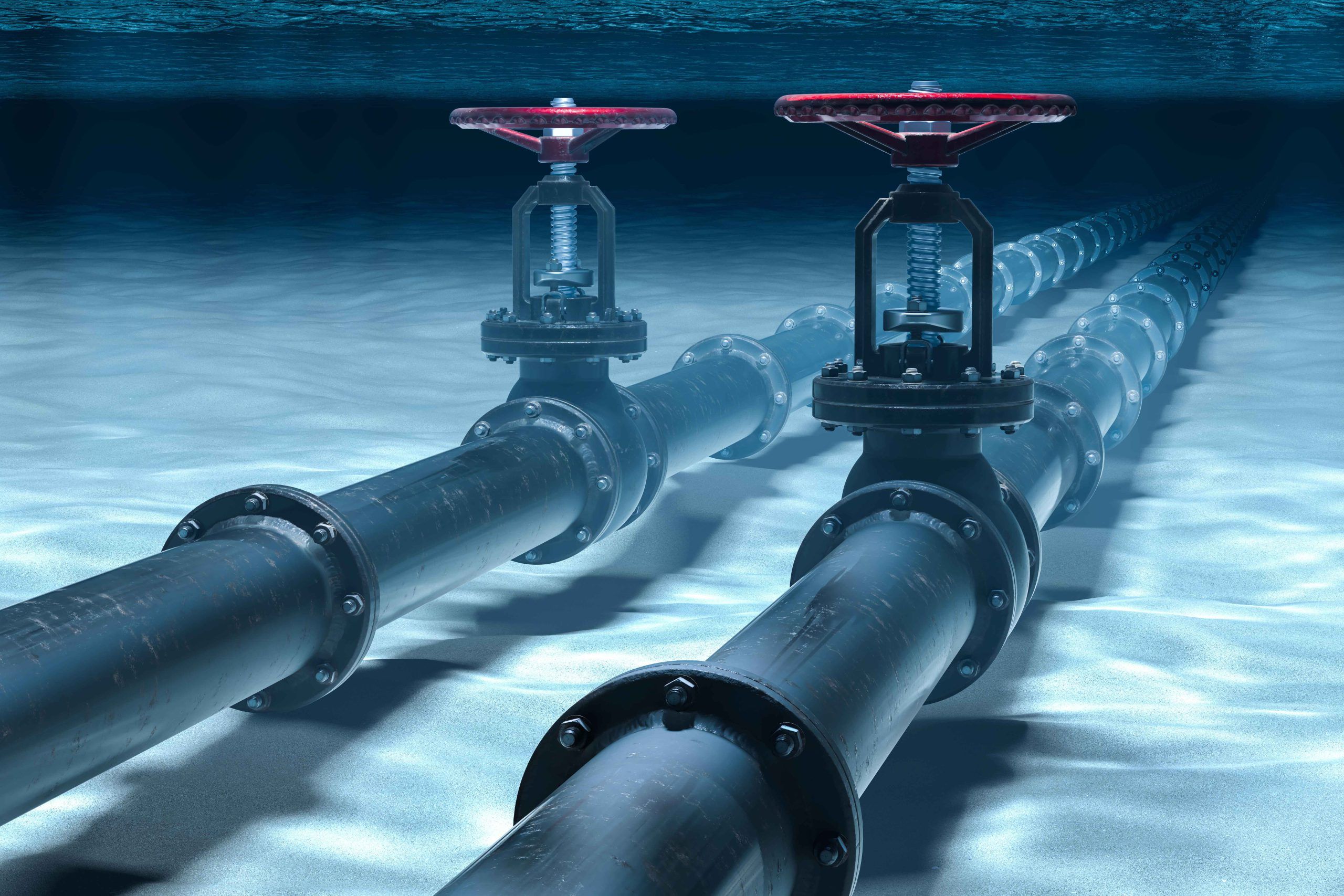
From manufacturing facilities and power plants to water treatment systems and chemical processing environments, industrial valves help regulate flow, manage pressure, and control the direction of materials moving through pipelines. Without properly functioning valves, many industrial processes would become difficult to manage and potentially unsafe.
This guide explores the fundamentals of Industrial Valves, their functions, common types, applications, and the important role they play in modern industrial operations.
What Are Industrial Valves?
Industrial Valves are mechanical devices designed to control, regulate, start, stop, or direct the flow of fluids and gases within a piping system.
These valves can be used to:
Open or close flow paths
Regulate flow rates
Control pressure levels
Redirect materials
Prevent backflow
Isolate equipment during maintenance
Industrial valves are available in various designs, sizes, and materials to suit different operational requirements.
Depending on the application, valves may handle:
Water
Steam
Air
Natural gas
Chemicals
Oil
Industrial gases
Process fluids
Their ability to manage flow accurately makes them an important part of industrial infrastructure.
Why Industrial Valves Matter
Many industrial systems operate continuously and require precise control over moving materials.
Industrial Valves contribute to:
Operational Safety
Valves help control pressure and isolate sections of piping systems when needed.
This reduces risks associated with leaks, excessive pressure, and equipment damage.
Process Efficiency
Proper flow regulation supports consistent production processes and resource utilization.
Equipment Protection
Valves help prevent conditions that may damage pumps, compressors, boilers, and other equipment.
Environmental Management
Flow control systems help reduce unintended releases of materials into the environment.
These benefits make valves an essential component across numerous industries.
How Industrial Valves Work
Although designs vary, most valves operate using a movable mechanism that either blocks, regulates, or redirects flow.
Common operating methods include:
Manual operation
Electric actuation
Pneumatic actuation
Hydraulic actuation
The valve mechanism responds to operator input or automated control systems to achieve the desired flow conditions.
The choice of operation depends on the specific requirements of the industrial process.
Common Types of Industrial Valves
Different applications require different valve designs.
Gate Valves
Gate valves are commonly used to fully start or stop flow.
When open, they allow materials to move through the pipeline with minimal resistance.
They are often found in water distribution systems, industrial plants, and utility infrastructure.
Ball Valves
Ball valves use a rotating ball with an internal opening to control flow.
They provide quick operation and reliable shut-off capabilities.
These valves are frequently used in gas, liquid, and chemical applications.
Globe Valves
Globe valves are designed for regulating flow.
They allow operators to adjust flow levels with greater precision compared to some other valve types.
They are commonly used in systems requiring flow control and pressure regulation.
Butterfly Valves
Butterfly valves utilize a rotating disc to control flow.
Their compact design makes them suitable for large-diameter pipelines and space-constrained installations.
Check Valves
Check valves allow flow in one direction while preventing reverse flow.
This helps protect equipment and maintain system stability.
They are widely used in pumping systems and fluid transportation networks.
Pressure Relief Valves
Pressure relief valves help protect systems from excessive pressure.
When pressure exceeds predetermined limits, the valve automatically releases material to maintain safe operating conditions.
Materials Used in Industrial Valves
The material used in valve construction depends on operating conditions and the type of material flowing through the system.
Common materials include:
Stainless Steel
Known for corrosion resistance and durability.
Frequently used in food processing, pharmaceuticals, and chemical industries.
Carbon Steel
Suitable for many industrial environments and pressure applications.
Brass
Commonly used in water systems and general industrial applications.
Cast Iron
Often utilized in large infrastructure and utility installations.
Specialized Alloys
Certain environments require materials designed to withstand extreme temperatures, pressures, or corrosive substances.
Selecting appropriate materials contributes to long-term reliability and performance.
Applications of Industrial Valves
Industrial Valves are used in a wide variety of sectors.
Manufacturing Facilities
Production environments rely on valves to control fluids, gases, and process materials.
Oil and Gas Operations
Valves manage the transportation and processing of hydrocarbons throughout pipelines and facilities.
Water Treatment Plants
Valves regulate water flow, filtration processes, and distribution systems.
Power Generation
Steam, cooling water, and fuel systems all depend on reliable valve operation.
Chemical Processing
Flow control helps maintain process stability and operational safety.
Food and Beverage Production
Valves support hygiene standards while managing ingredients and production processes.
These diverse applications demonstrate the versatility of Industrial Valves.
Factors to Consider When Selecting Industrial Valves
Choosing the appropriate valve involves evaluating several important factors.
Flow Requirements
The desired flow rate influences valve type and sizing decisions.
Pressure Conditions
Valves must be capable of operating within system pressure requirements.
Temperature Range
Some applications involve extreme temperatures that require specialized valve materials.
Fluid Characteristics
Different materials may require specific valve designs depending on viscosity, chemical composition, or particulate content.
Operational Method
Manual and automated systems have different control requirements.
Understanding these factors helps ensure reliable system performance.
Maintenance and Inspection Practices
Like any mechanical component, Industrial Valves require regular inspection and maintenance.
Common maintenance activities include:
Visual inspections
Leak detection
Seal examination
Lubrication
Actuator testing
Performance verification
Routine maintenance supports operational reliability and extends equipment life.
Identifying minor issues early can help prevent larger operational disruptions.
Automation and Smart Valve Technologies
Modern industrial environments increasingly incorporate automation.
Smart valve technologies can provide:
Remote monitoring
Automated control
Performance tracking
Predictive maintenance insights
Real-time operational data
These capabilities help organizations improve system visibility and operational efficiency.
Automation also supports faster responses to changing process conditions.
Environmental and Safety Considerations
Industrial operations place significant emphasis on safety and environmental responsibility.
Valves contribute by helping:
Prevent leaks
Control hazardous materials
Maintain pressure stability
Reduce waste
Support regulatory compliance
Well-designed flow control systems play an important role in responsible industrial operations.
Future Trends in Industrial Valves
Several trends continue shaping the future of valve technology.
Digital Monitoring
Advanced sensors provide detailed performance information.
Predictive Maintenance
Data analysis helps identify potential issues before failures occur.
Improved Materials
New materials support durability under challenging operating conditions.
Increased Automation
Industrial facilities continue adopting automated control systems to improve efficiency.
Sustainability Initiatives
Organizations increasingly focus on reducing resource consumption and improving operational efficiency.
These developments are influencing how Industrial Valves are designed and utilized across industries.
Conclusion
Industrial Valves are essential components that support safe, reliable, and efficient industrial operations. By controlling the movement of liquids, gases, steam, and other materials, they help maintain process stability across numerous sectors, including manufacturing, energy, water treatment, and chemical processing.
Understanding valve types, applications, materials, and maintenance practices helps organizations make informed decisions about their flow control systems. As industries continue embracing automation and digital technologies, Industrial Valves will remain a critical part of modern infrastructure and operational success.